
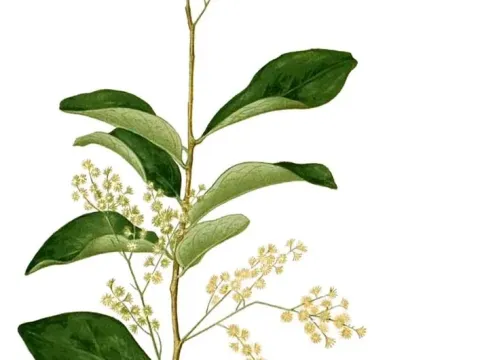
Homalium
Homalium
Homalium is a significant genus of trees and shrubs belonging to the Salicaceae family. Historically classified under Flacourtiaceae, this genus consists of approximately 180 species distributed across tropical and subtropical regions of Africa, Asia, and the Pacific islands, playing a vital role in local forest biodiversity.
What the section contains
 Homalium africanum
Homalium caryophyllaceum
Homalium caryophyllaceum
Homalium celebicum
Homalium celebicum
Homalium africanum
Homalium africanum
Homalium caryophyllaceum
Homalium caryophyllaceum
Homalium celebicum
Homalium celebicum
 Homalium ceylanicum
Homalium ceylanicum
Homalium ceylanicum
 Homalium dentatum
Homalium dewevrei
Homalium dewevrei
Homalium dentatum
Homalium dentatum
Homalium dewevrei
Homalium dewevrei
 Homalium foetidum
Homalium grandiflorum
Homalium grandiflorum
Homalium latoursvillense
Homalium latoursvillense
Homalium foetidum
Homalium foetidum
Homalium grandiflorum
Homalium grandiflorum
Homalium latoursvillense
Homalium latoursvillense
 Homalium letestui
Homalium letestui
Homalium letestui
 Homalium longifolium
Homalium longifolium
Homalium longifolium
 Homalium longistylum
Homalium minahassae
Homalium minahassae
Homalium longistylum
Homalium longistylum
Homalium minahassae
Homalium minahassae
 Homalium paniculatum
Homalium paniculatum
Homalium paniculatum
 Homalium racemosum
Homalium racemosum
Homalium racemosum
 Homalium smythei
Homalium stipulaceum
Homalium stipulaceum
Homalium smythei
Homalium smythei
Homalium stipulaceum
Homalium stipulaceum
 Homalium tomentosum
Homalium tomentosum
Homalium tomentosum
Homalium
The cultivation of Homalium requires conditions that mimic its natural tropical habitat. It thrives in regions with consistent rainfall and high temperatures throughout the year. The soil must be fertile, deep, and possess excellent drainage capabilities, as waterlogged sites pose a severe risk to the root development of the saplings.
Botanically, Homalium species are recognized for their evergreen or deciduous canopy and dense wood structure. The leaves are typically alternate with serrated margins, while the flowers are arranged in spikes or racemes. The slow growth rate of these trees contributes to the exceptional density and hardness of the timber, making them highly valued by the forestry industry.
Agrotechnical management in Homalium plantations focuses on initial site preparation and light management. Since young trees are sensitive to competition, regular weeding and thinning are necessary to ensure adequate access to sunlight and soil nutrients. Proper spacing is also crucial to minimize competition and promote vertical trunk growth.
The primary economic use of Homalium is for its high-quality timber, which is often used in cabinetry, flooring, and heavy-duty construction. The wood is celebrated for its durability, natural resistance to decay, and distinctive aesthetic appeal. It is frequently marketed under specialized trade names, reflecting its status as a premium material in the global wood trade.
Homalium is susceptible to several fungal diseases that thrive in humid tropical environments, often affecting the bark and heartwood. These pathogens can significantly degrade the timber's technical quality if not managed through proper forest spacing and the removal of infected debris, which acts as a reservoir for spores.
Pest management is a critical concern, with wood-boring insects being the most significant threat to mature trees. These pests can tunnel into the trunk, compromising structural integrity. Effective management strategies involve integrating biological controls and maintaining stand health, which is essential for ensuring long-term timber harvest viability.