
Japanese willow
Salix japonica
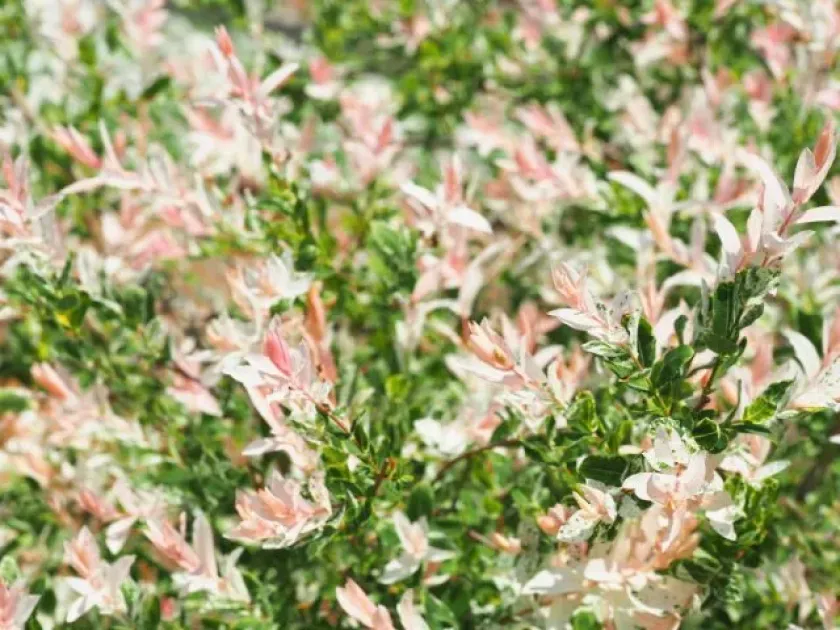
Description
Growing requirements
The Japanese willow (Salix japonica) is a member of the Salicaceae family. It is a perennial deciduous plant native to Japan, where it typically thrives in riparian habitats, riverbanks, and marshy lowlands.
Botanically, this species is characterized by its flexible, slender shoots and lanceolate leaves that often feature an elegant underside pubescence. The plant displays significant morphological plasticity, making it well-suited for diverse landscape applications.
The culture has strict requirements for moisture and performs best in fertile, well-drained but consistently moist soils. It is particularly fond of areas where water tables are high, as this ensures optimal hydration throughout the intensive growth phase.
Regarding climate, the Japanese willow is hardy and well-adapted to temperate zones, tolerating significant seasonal temperature fluctuations. It requires full sunlight exposure to maintain its characteristic foliage density and stem health.
Agrotechnical management includes regular pruning to rejuvenate the canopy and improve the quality of the shoots. Proper spacing in plantation settings is critical to facilitate air movement and prevent moisture-related microclimate issues.
Main diseases and pests
The Japanese willow is susceptible to various fungal pathogens, including rust and various leaf spot diseases, which often manifest in environments with poor air circulation and excessive atmospheric humidity.
Pest pressures primarily come from the willow leaf beetle, aphids, and sawfly larvae, which can cause severe defoliation if left unmanaged. Stem-boring insects also represent a latent threat to the plant's structural integrity.
Effective management strategies rely on a combination of cultural practices, such as clearing fallen leaf litter, and the timely application of systemic pesticides or fungicides when threshold levels of infestation are exceeded.
The health of the willow plantation is heavily dependent on maintaining a rigorous observation schedule during the growing season. Early detection of necrotic spots or insect egg clusters is vital for long-term productivity.
- Use certified nursery stock to prevent the introduction of soil-borne pathogens.
- Apply balanced fertilizers during the early spring to enhance resilience.
- Ensure annual sanitation pruning to remove desiccated wood.