
Hooker willow
Salix hookeriana
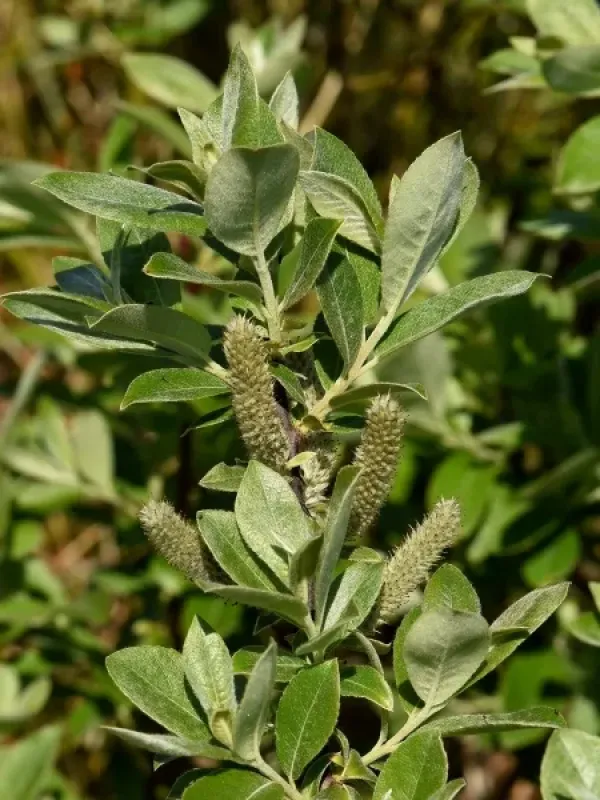
Description
Sowing dates
Propagation of the Hooker willow (Salix hookeriana) is primarily achieved through cuttings, which ensures genetic consistency and high survival rates in new plantings.
Cuttings are harvested from one-year-old dormant wood in late winter or early spring, before the buds begin to swell and growth commences.
Standard cutting size is roughly 25 centimeters, ensuring each segment has several nodes, which is essential for both root and shoot development.
When planting in nurseries or fields, cuttings are inserted into moist soil with only the uppermost bud exposed to the sunlight.
For large-scale cultivation, moisture retention in the soil is the most critical factor during the initial rooting phase to prevent the cuttings from drying out.
Growing requirements
The Hooker willow belongs to the Salicaceae family and is native to coastal regions, which dictates its preference for specific environmental conditions.
The species thrives in full sun, requiring high light intensity to maintain vigorous growth rates and prevent the thinning of the crown.
While tolerant of various soil types, it performs best in moisture-retentive, deep soils and can even tolerate periods of soil saturation or moderate salinity.
Climate-wise, it prefers cool, maritime conditions with high humidity, making it an excellent choice for coastal landscape restoration projects.
Proper soil preparation, including the incorporation of organic matter, significantly improves the establishment of this willow in less fertile soils.
Yield
The economic potential of Salix hookeriana lies in its rapid biomass production, making it a sustainable source for basketry and structural landscaping.
Yields are maximized through a rotation system where plants are cut back annually, promoting the growth of long, straight, and flexible rods.
The flexibility of the branches makes this willow highly desirable for artisanal use, and the high-quality wood provides a consistent product for markets.
By implementing a systematic harvesting schedule, landowners can maintain high productivity levels from the same rootstock for many years.
Nutrient management through organic fertilizing practices ensures that the willow maintains its growth vigor throughout the entire harvesting cycle.
Main diseases and pests
The Hooker willow is susceptible to several fungal diseases, particularly rust and leaf spots, which thrive in stagnant, humid environments.
Pests like aphids and leaf-rolling insects can damage tender new growth, potentially reducing the overall quality of the rods harvested.
A successful pest management program focuses on early detection and maintaining proper spacing to ensure adequate air circulation through the plants.
Sanitation is key; all infected or dead wood should be promptly removed and destroyed to prevent the spread of pathogens throughout the planting area.
- Monitor leaf condition regularly for early signs of disease.
- Avoid overcrowding to reduce humidity trapped in the foliage.
- Utilize integrated pest management to minimize chemical usage.