
Koriya Willow
Salix koriyanagi
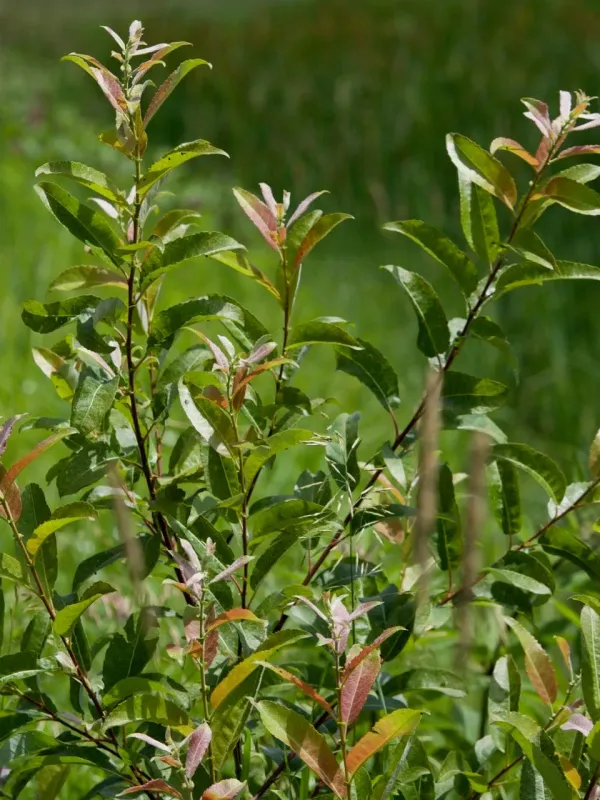
Description
Sowing dates
Planting of Salix koriyanagi is predominantly carried out using vegetative propagation through hardwood cuttings. The optimal time for establishing a plantation is early spring, right before the start of active sap flow.
Cuttings should be approximately 20–25 cm in length and planted in well-prepared soil, with only one or two buds left above the surface. Proper planting depth ensures maximum contact with moist soil, facilitating early root formation.
The planting pattern usually involves row spacing of 60–80 cm, which allows for mechanical maintenance and optimal light penetration for each shoot. Ensuring correct spacing is crucial for preventing overcrowding and promoting straight growth.
Successful establishment depends heavily on adequate soil moisture during the first few weeks. Weed control is essential during the first growing season to ensure that young willow plants are not outcompeted for nutrients and light.
Although seed propagation is biologically possible, it is rarely used in commercial agriculture. Vegetative methods remain the only reliable way to preserve the superior varietal characteristics required for high-quality basketry.
Growing requirements
Salix koriyanagi belongs to the Salicaceae family and has specific soil and climate requirements. It thrives in fertile, moist, and well-drained soils, typically found in floodplains or near natural water sources.
The plant is highly light-demanding. Choosing open, sun-exposed sites is critical for the development of high-quality, flexible, and straight shoots, which are the primary economic goal of Koriya willow cultivation.
Ideal soil pH ranges from 5.5 to 7.0. While the plant appreciates moisture, it cannot tolerate prolonged waterlogging, which can lead to root rot and stunted development of the shoots.
The climate should ideally be temperate. While the species is relatively winter-hardy, extreme temperature drops without snow cover can damage young shoots, making the selection of a sheltered site advisable for northern regions.
Good agricultural practice involves soil preparation with organic fertilizers prior to planting and subsequent nitrogen fertilization to boost biomass production throughout the peak growing season.
Yield
The yield of Koriya willow is measured by the quantity and quality of rods suitable for commercial wickerwork. With proper management, a plantation can remain highly productive for nearly two decades.
A key biological feature of this species is its ability to produce long, thin, and exceptionally flexible shoots with minimal branching. These traits make it one of the most sought-after varieties for professional basket makers.
The average annual yield can range from 10 to 15 tons per hectare. This depends on factors like soil fertility, plantation density, and the implementation of regular maintenance and fertilization schedules.
Annual coppicing, or cutting back the shoots to the ground after the growing season, is mandatory to maintain high productivity. This promotes the growth of new, strong shoots each year.
- High flexibility of shoots.
- Minimal central pith.
- Excellent resistance to mechanical stress.
- Strong regenerative capacity.
Main diseases and pests
The primary threats to this crop include fungal diseases such as leaf rust and various leaf spot pathogens. These infections thrive in humid conditions and are exacerbated by overly dense plantations.
Pests such as willow leaf beetles and various weevil species can significantly damage the leaf canopy and the bark of young shoots. Infestations reduce the aesthetic and structural quality of the rods.
Preventive measures include the thorough removal and destruction of crop residues after harvesting, as these serve as wintering sites for pathogens and insect larvae.
Chemical control should be used judiciously, strictly following regulations to prevent ecological damage. Integrated Pest Management (IPM) is the preferred approach for maintaining plantation health.
Constant monitoring of the plantation allows for early detection of disease outbreaks. Keeping the plants healthy through balanced fertilization and proper air circulation is the best natural defense against potential pests.
Harvesting
Harvesting is performed during the plant's dormant period, typically from late autumn to mid-winter. During this time, the lack of sap flow ensures the best quality and durability of the rods.
Shoots are cut as close to the ground as possible using manual shears or mechanical harvesters. A low cut encourages the growth of even, high-quality shoots in the following season.
After harvesting, rods are sorted by length and diameter and bundled for drying or immediate processing. For many high-end applications, rods are debarked to create a clean, white material.
Storage of the raw material requires well-ventilated, dry areas to prevent the development of mold or decay, which would render the rods useless for professional crafting.
Successful harvest management is the foundation of a profitable operation. Careful treatment of the root stool during every harvest cycle guarantees the longevity and stability of the willow plantation.