
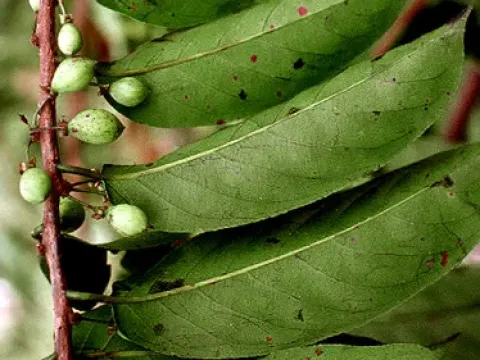
Laetia
Laetia
The genus Laetia consists of woody plants that are typically propagated by seeds within specialized nurseries. Preparing the seedbed involves using well-draining soil mixed with organic compost to provide the necessary nutrients for germination.
What the section contains

Laetia
Sowing is best performed at the onset of the rainy season to capitalize on natural humidity. Before planting, seeds should be thoroughly cleaned of their fleshy fruit pulp to prevent the onset of fungal pathogens.
Seedlings exhibit slow initial growth and require partial shade to protect them from excessive heat stress. As they mature, they should be transplanted into individual containers to allow for root development before final outplanting.
When moving plants to their permanent site, it is crucial to ensure the soil is well-prepared and free of weeds. Proper spacing is essential to prevent overcrowding, which can inhibit the growth of the canopy.
Routine monitoring of seedling health is necessary during the first few months. Applying organic mulches helps maintain soil moisture levels and reduces the competition from opportunistic ground cover.
Laetia belongs to the Salicaceae family and is native to the tropical regions of Central and South America. These trees thrive in consistently warm environments where they are sheltered from cold temperatures.
The trees demand fertile, loamy soils that possess excellent drainage qualities. They are highly susceptible to root rot if placed in waterlogged conditions, making site selection critical for long-term survival.
While seedlings prefer shade, mature Laetia trees are heliophilic, requiring abundant sunlight to support their metabolic processes and canopy expansion. Achieving the right balance of light is key to robust tree health.
Soil pH should remain within the slightly acidic to neutral range. Periodic soil testing ensures that the nutrient profile meets the specific demands of the tree throughout its various developmental stages.
Environmental factors such as wind exposure must be managed, especially in younger plantations. Establishing protective windbreaks around the perimeter can help prevent mechanical damage to the developing foliage.
The primary economic value of Laetia is derived from its wood, which is utilized for various construction and carpentry purposes. Harvesting occurs when the trees reach sufficient diameter to ensure timber quality.
In cases where seeds are harvested for nursery reproduction, timing is critical. Collection occurs when the fruit reaches physiological maturity, ensuring the highest possible viability for the next generation of plants.
Industrial harvesting follows sustainable forestry practices, emphasizing selective logging to maintain ecological balance. Proper technique ensures that damage to neighboring plants is kept to a minimum.
Post-harvest treatment involves immediate processing of the timber to prevent degradation. Controlled drying processes are employed to remove excess moisture and enhance the structural integrity of the wood.
Efficient management of the harvesting cycle ensures that the plantation remains productive over decades. This approach supports the long-term viability of Laetia as a renewable resource in tropical agroforestry.