
Himalayan willow
Salix hylematica
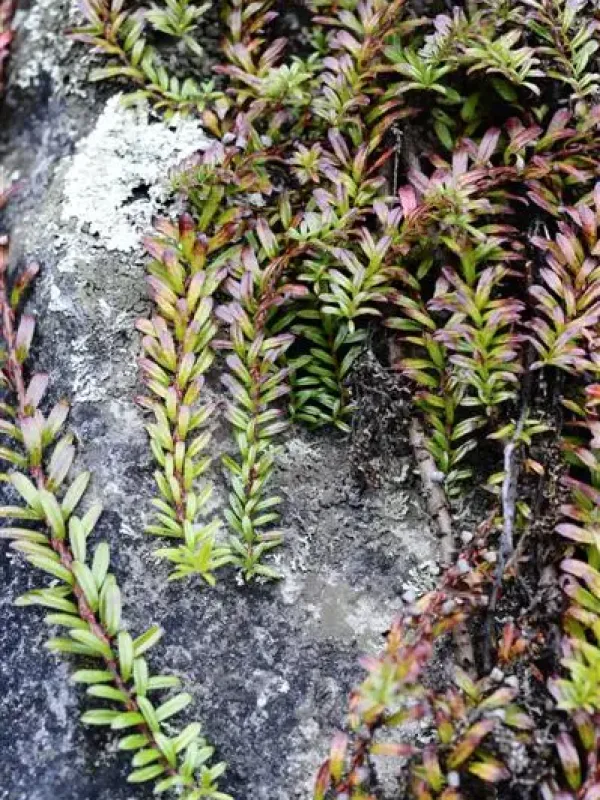
Description
Growing requirements
The Himalayan willow (Salix hylematica) belongs to the Salicaceae family and is a resilient dwarf shrub native to harsh high-altitude mountainous environments.
It possesses significant biological adaptations, including a low-growing habit that protects it from extreme winds and freezing temperatures in its native range.
For successful cultivation, the plant requires well-drained, sandy, or rocky soil that mimics its natural habitat and prevents root rot caused by excessive moisture.
The species is highly photophilous and thrives best in full sun exposure, which is essential for maintaining its compact and healthy growth structure.
While hardy, young plants require careful monitoring of soil moisture levels during the establishment phase to ensure successful root system development.
Harvesting
The primary agricultural and environmental use of Salix hylematica lies in soil stabilization and the prevention of erosion on steep or unstable mountain slopes.
In landscaping, this willow is highly valued for its decorative potential, particularly in rock gardens, alpine displays, and ground cover applications.
Propagation is primarily carried out through stem cuttings, which should be harvested during the plant's dormant winter or early spring period for best results.
Pruning is recommended to maintain the aesthetic shape of the shrubs and to promote vigorous growth by removing old or damaged wood after the flowering season.
Its high adaptability makes it a valuable species for ecological restoration projects aimed at rehabilitating degraded land in rugged terrain.