
Hybrid poplar
Populus hybrids
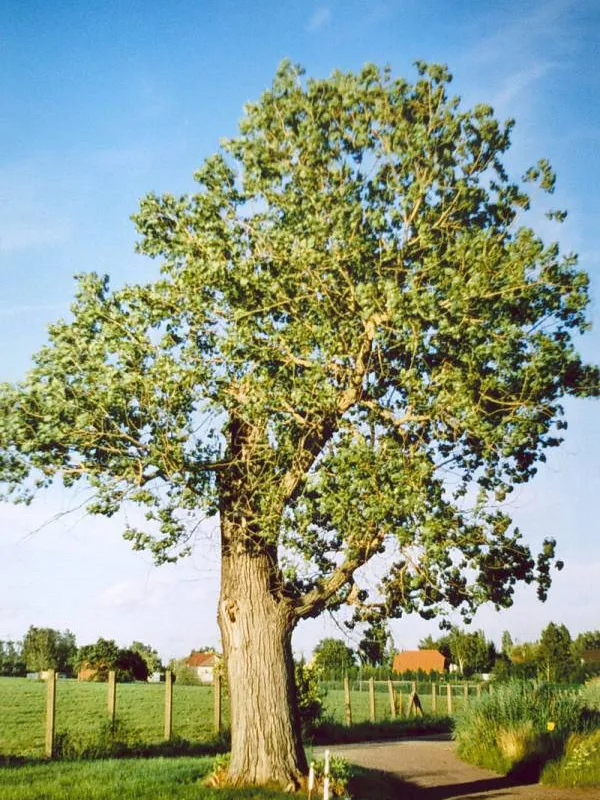
Description
Sowing dates
Hybrid poplar is typically propagated through vegetative means, using dormant hardwood cuttings or nursery-grown saplings to ensure genetic consistency.
Planting should be conducted in early spring, once the soil has thawed and warmed up, but before the buds begin to break and initial growth starts.
Cuttings are sourced from one-year-old shoots of healthy donor plants, ensuring they are free from disease and possess viable buds for robust root development.
Proper site preparation, including weed control and soil cultivation, is crucial to minimize competition and provide the young plants with a favorable start.
Planting density varies based on the final output goals: wider spacing is preferred for timber production, while denser patterns are used for short-rotation coppice energy crops.
Growing requirements
Hybrid poplar belongs to the Salicaceae family and is specifically bred from select Populus species to combine rapid growth with specific environmental adaptations.
The trees thrive in deep, fertile, and well-drained alluvial soils that maintain consistent moisture levels without suffering from prolonged saturation or waterlogging.
They are strictly light-demanding species, necessitating open plantation sites where they will not be shaded by larger canopy trees or man-made structures.
A temperate climate with sufficient rainfall during the growing season is essential for achieving the high biomass yields characteristic of hybrid poplar varieties.
The pH of the soil should be near neutral; acidic or highly saline soils can severely impede nutrient uptake and overall physiological performance of the trees.
Yield
Hybrid poplar is world-renowned for its exceptional biomass production potential, making it a key species for sustainable wood production and biofuel.
Under optimal management, these trees can reach merchantable timber size much faster than traditional hardwood species, significantly shortening rotation cycles.
Uses include pulpwood, plywood, veneer, and chipboard, as well as providing a high-quality feedstock for bioenergy production due to the tree's rapid growth rate.
Yield is highly dependent on matching the specific hybrid clone to the local site conditions, including soil type, regional climate, and potential moisture availability.
Consistent annual monitoring of growth rates allows managers to estimate harvest timing and project the economic returns of the plantation over time.
Main diseases and pests
Fungal pathogens such as leaf rust and various stem cankers are the most common health concerns, especially in plantations with poor air circulation.
Insects, including various leaf beetles and wood-boring larvae, can damage foliage and stems, impacting the overall vitality and timber grade of the trees.
Environmental stressors like drought, late spring frosts, or severe wind events can predispose the trees to secondary infections by compromising their natural defenses.
Integrated Pest Management (IPM) practices, such as selecting disease-resistant clones and maintaining stand hygiene, are critical for minimizing losses.
Periodic inspections of the plantation help identify outbreaks early, allowing for timely interventions such as thinning or targeted treatment to protect the crop.
Harvesting
Harvesting strategies vary: short-rotation energy plantations are harvested every few years, while sawlog rotations may span two decades or more.
Mechanical harvesting equipment, such as feller-bunchers or chip harvesters, is used to efficiently process the biomass according to industrial specifications.
For timber, trees are felled, limbed, and bucked into logs of specific lengths based on the requirements of local mills and processing facilities.
Post-harvest management involves assessing the rootstock's potential for coppicing, as hybrid poplars can regenerate multiple stems from the original stumps.
Proper harvest planning ensures that the site remains productive for future rotations, maximizing the long-term sustainability of the forestry operation.