
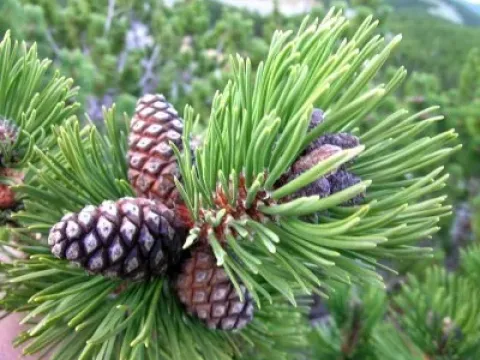
Hybrid pine
Pinus hybrids
Sowing hybrid pine seeds is primarily carried out in nurseries during the spring when the soil warms up to 8-10 degrees Celsius. To obtain high-quality planting material, the container method is often used, ensuring better root system establishment and survival rates.
What the section contains
Hybrid pine
In forest management, seeds are sown in prepared furrows with mandatory coverage at a depth of 1-2 cm, depending on the soil type. Optimal sowing density is calculated based on the intended purpose of the forest plantation, usually ranging from 150 to 250 seeds per linear meter.
The use of substrates supplemented with mycorrhizal fungi significantly improves germination energy and the viability of seedlings in their first year. A crucial step is seed stratification, which for most hybrid forms is carried out for 30-60 days under low temperatures.
Young seedlings require regular watering and shading during hot hours to prevent sunscald and dehydration of the tender shoots. Agronomists recommend using seeds that have undergone careful calibration and laboratory quality control.
Transplanting to the permanent site is recommended at the age of two to three years, once the seedlings have achieved sufficient lignification of the stem. The optimal time for planting is early spring before sap flow begins or in the autumn under conditions of moderate humidity.
Hybrid pine is a coniferous crop of the Pinaceae family, created through interspecific cross-breeding to improve growth rates and resistance to adverse factors. It demonstrates a more intensive biomass accumulation compared to the parental species.
The crop prefers well-drained sandy or sandy-loam soils with moderate acidity. A key condition for full development is good aeration of the root system, which prevents rotting processes in dense soils.
The plant is heliophilic (light-loving) and requires open areas, avoiding prolonged shading by other tree species. Under conditions of sufficient lighting, hybrids form a denser crown and accumulate wood mass faster.
Climate requirements depend on the parental forms, but most hybrids possess high frost resistance and the ability to adapt to temperature fluctuations. They efficiently use moisture even during short droughts due to their deep-reaching root system.
For optimal growth in intensive forestry, the application of complex mineral fertilizers is recommended during the first years after planting. A balanced composition of nitrogen, phosphorus, and potassium is especially critical for strengthening the tree's overall immunity.
One of the most serious threats to hybrid pine stands is the shoot blight, which affects young shoots and deforms their structure. Timely sanitary pruning and the application of fungicides help minimize damage from this pathogen.
Pests such as the pine sawfly can cause significant damage to the needles, leading to mass defoliation of branches in mid-summer. Biological and chemical protection methods, including systemic insecticides, are used to control these insects.
Root rot represents a serious danger to forest stands, especially in areas with excessive moisture or impaired biological soil balance. The development of fungal diseases is often provoked by improper care and overcrowding of the plantations.
To prevent bark beetle infestations, it is important to maintain the sanitary condition of the forest and promptly remove weakened or damaged trees. Regular phytosanitary monitoring is essential for the health of young forest crops.
- Regular fungicide treatment schedules.
- Removal of dead and damaged branches.
- Monitoring pest activity with pheromone traps.
- Maintaining proper planting distance for crown ventilation.