
Keteleeria
Keteleeria Carriere
Description
Growing requirements
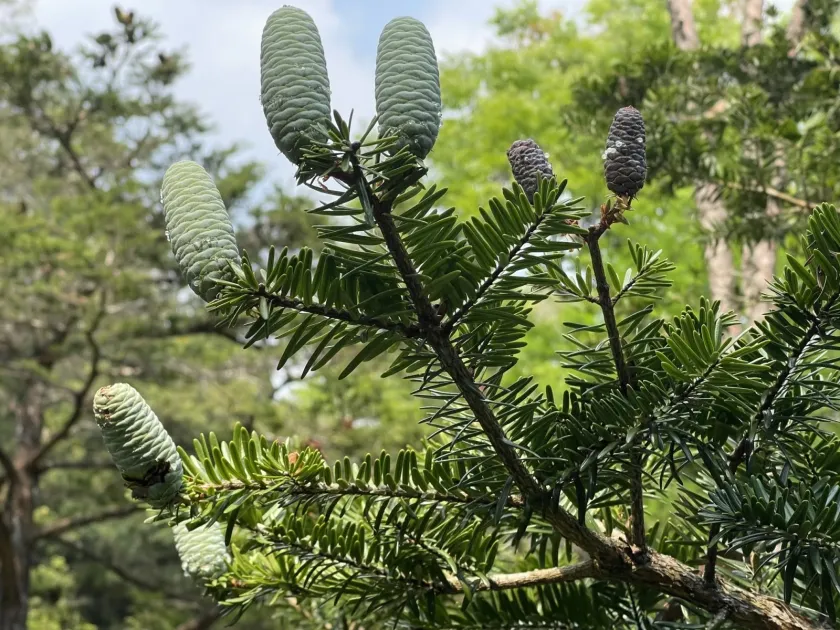
Keteleeria is a genus of evergreen coniferous trees belonging to the Pinaceae family. Morphologically, these trees exhibit characteristics of both firs and other pine relatives, but they are uniquely distinguished by their upright, persistent cones that do not shatter upon reaching maturity.
The native range of this genus is concentrated in the subtropical regions of East and Southeast Asia, including parts of China, Vietnam, and Laos. These trees are highly adapted to humid subtropical climates and perform best in regions with mild winters and consistent moisture levels.
Regarding soil requirements, Keteleeria thrives in deep, fertile, and well-drained soils. Proper drainage is the most critical factor for successful cultivation, as the roots are particularly susceptible to rot if water stagnation occurs in the substrate for extended periods.
The light requirements for this culture evolve with age; young seedlings benefit from light shade to protect them from scorching, while mature specimens require full sun exposure to maintain optimal physiological growth and structural integrity.
General management practices for Keteleeria involve maintaining adequate soil hydration through mulching and conducting periodic fertilization. Ensuring the site is protected from harsh, drying winds will help preserve the tree's health and ensure a vigorous growth rate during the growing season.
Yield
The primary economic use of Keteleeria is in the timber industry. Its wood is valued for its moderate density, fine texture, and good working properties, making it suitable for construction, joinery, and the production of interior design elements.
In addition to industrial forestry, Keteleeria is prized as an ornamental tree in parks and gardens throughout temperate to subtropical zones. Its lush, glossy foliage and robust silhouette make it an excellent choice for specimen planting in large landscapes.
Research into the silvicultural potential of Keteleeria is ongoing, focusing on its role in reforestation projects. Because of its adaptability and resilience, it is considered a promising species for replacing monocultural forest stands with more stable, biodiverse ecosystems.
The yield of timber is influenced by plantation density and local site quality. Under managed conditions, these trees can achieve substantial biomass, providing a long-term return on investment for commercial forestry enterprises that prioritize quality lumber.
Seed production and oil extraction from various species represent secondary economic activities. While not the primary focus, these products serve niche markets and support the overall viability of maintaining Keteleeria nurseries.
Main diseases and pests
Fungal diseases are the primary threat to Keteleeria plantations, particularly when growing conditions involve poor soil aeration or excessive irrigation. Root rot pathogens are a major concern in nursery settings where young plants are most vulnerable.
Pests, such as various species of aphids and bark beetles, can damage the needles and the cambium layer. Integrated Pest Management (IPM) strategies, including regular monitoring and the use of natural predators, are essential to keeping infestations at manageable levels.
Environmental stressors, such as severe frosts or prolonged dry spells, can negatively impact tree immunity. These stressors often leave the trees susceptible to opportunistic infections, necessitating proactive care and site selection management.
Conservation of wild populations is a pressing issue due to habitat loss. Sustainable forestry practices and the cultivation of Keteleeria in botanical collections are vital for maintaining the genetic diversity of the genus for future generations.
Regular sanitation, including the removal of dead wood and fallen needles, helps reduce the load of pathogens within a planting, ensuring that the culture remains healthy and productive throughout its long lifespan.