
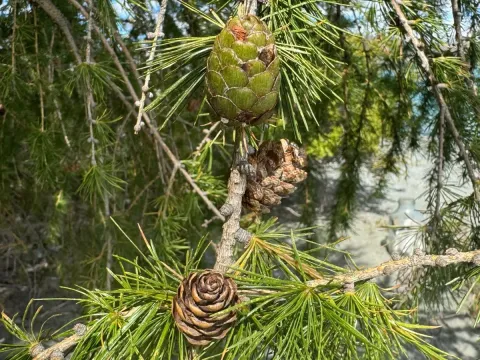
Larch
Larix Mill.
Propagation of Larch (Larix Mill.) is primarily done via seeds, which require stratification for several weeks under cool conditions to overcome dormancy. Sowing is best performed in early spring when the soil temperature begins to rise consistently.
What the section contains


Larch
Seeds should be sown at a depth of approximately 0.5 to 1 cm. Maintaining proper soil moisture is crucial during the germination phase, as seedlings are highly vulnerable to drying out in the initial stages of development.
In nursery settings, a well-drained, porous growing medium is essential to prevent damping-off diseases. Providing adequate light and space between seedlings helps in developing robust root systems and preventing stem elongation.
Seedlings are typically transplanted to their permanent sites in the second or third year. Using container-grown stock significantly improves survival rates, especially when planting in challenging reforestation environments.
Proper site preparation, including clearing competition and ensuring appropriate soil structure, is fundamental to the successful establishment of new larch plantations across various climatic zones.
Larch is a light-demanding genus that thrives in open, sunny environments. Lack of sufficient sunlight leads to suppressed growth, reduced crown density, and poor overall health of the tree.
The species prefers well-drained, fertile loamy or sandy soils. It is intolerant of waterlogged conditions, which can lead to root suffocation and increased susceptibility to fungal attacks.
Most larch species are exceptionally cold-hardy, capable of surviving in harsh, northern climates where many other tree species would fail. They are particularly well-adapted to regions with long, severe winters.
While tolerant of various moisture levels once established, young trees require consistent hydration. Soil depth is important for the development of a strong root system that provides stability against wind.
Larch is known for its rapid height and diameter growth in the early stages of its life cycle, making it a highly productive choice for both timber plantations and landscape restoration projects.
Canker caused by the fungus *Lachnellula willkommii* is a major threat to larch, especially in areas with high humidity. The disease creates necrotic lesions on branches and stems, which can eventually kill the tree.
The Larch Casebearer (*Coleophora laricella*) is a significant pest that causes needle damage, leading to browning and premature needle drop, which inhibits the tree's photosynthetic capacity.
Various defoliating insects, including sawflies, can cause localized outbreaks. Early detection through forest health monitoring is essential for implementing targeted control measures such as biological or chemical treatments.
Root rot fungi like *Armillaria* can pose serious risks, particularly in stands that are stressed by poor drainage or inappropriate site conditions. Management focuses on silvicultural practices that maintain tree vigor.
Integrated pest management, including regular sanitation harvests and the selection of genetically resilient varieties, remains the most effective strategy for mitigating damage from diseases and insects.
Larch timber is highly prized for its density, strength, and remarkable natural resistance to decay, especially in moist or aquatic environments, making it ideal for marine and bridge construction.
The rotation age for larch timber production typically ranges from 80 to 120 years. Harvesting practices must prioritize the long-term sustainability of the forest while ensuring high-quality timber output.
Beyond traditional timber use, larch wood is widely utilized in the manufacturing of high-quality flooring, decking, and exterior cladding due to its durability against harsh weather conditions.
By-products, such as bark and foliage, have applications in the chemical and pharmaceutical industries, particularly in the production of tannins, essential oils, and specialized wood extracts.
Sustainable forest management ensures that harvesting operations support ecological health, provide renewable materials for industry, and maintain the larch's role as a vital component of northern ecosystems.