
Huangshan pine
Pinus hwangshanensis
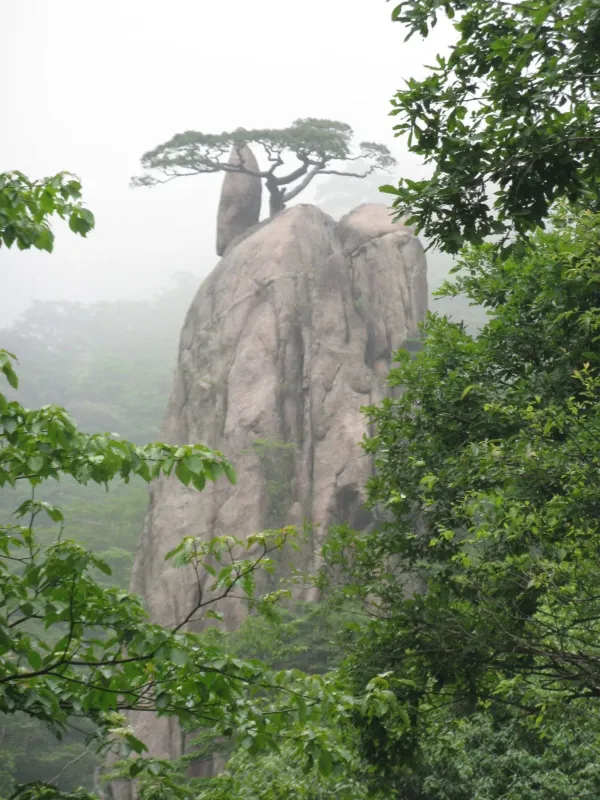
Description
Growing requirements
The Huangshan pine (Pinus hwangshanensis) is a coniferous evergreen tree belonging to the Pinaceae family. It is an endemic species native to the mountain ranges of eastern China, where it is often seen growing on rocky granite slopes at high altitudes.
The species is highly valued for its aesthetic appearance, featuring a flattened crown and twisted branches that develop as the tree matures. Botanically, it is closely related to the Japanese black pine and shares similar needle structures and growth habits.
It thrives in cool, humid, and misty mountain climates. Successful cultivation requires a location with full exposure to sunlight and protection from strong, drying winds that can scorch the needles during winter months.
Regarding soil requirements, this pine species demands exceptional drainage. In agricultural or garden settings, it prefers slightly acidic, nutrient-poor, rocky substrates that mimic its natural habitat on mountain cliffs.
Temperature tolerance is a key trait, as the species is adapted to significant diurnal and seasonal temperature variations. However, it requires consistently moist but well-drained soil, especially during the active growing season.
Main diseases and pests
The primary threats to Pinus hwangshanensis are fungal pathogens, particularly needle cast diseases (Lophodermium spp.). These are most prevalent in areas with high humidity, lack of air circulation, and low light levels.
Insect pests, including pine beetles and sawflies, can cause significant damage to the cambium and foliage. Early detection through regular inspections of the tree trunk and branch nodes is essential for management.
To prevent disease outbreaks, it is crucial to avoid overcrowding. Proper spacing allows for adequate air movement through the foliage, which is the most effective natural defense against most pine-specific fungal infections.
Root rot, specifically caused by Phytophthora, is a common issue when the plant is grown in heavy, waterlogged soils. Ensuring a light, sandy, and well-aerated growing medium is the primary preventive measure.
Chemical control should be applied judiciously, focusing on systemic fungicides and insecticides only when cultural practices such as pruning and site adjustment fail to suppress the pest or disease pressure.