
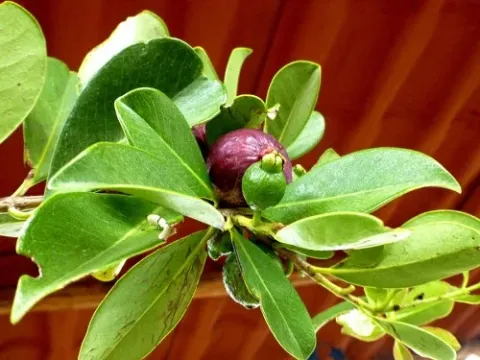
Psidium rufum
Psidium rufum
Psidium rufum is a tree species belonging to the Myrtaceae family. Unlike the common guava, this specific species is distinguished by the characteristic rusty-colored pubescence on its young shoots and leaves, which serves as the primary identification feature.
What the section contains
Psidium rufum
The plant originates from the tropical regions of South America, specifically Brazil. In its natural habitat, it thrives in evergreen forest ecosystems and clearings characterized by high atmospheric humidity.
Successful cultivation requires consistently warm climatic conditions with no risk of frost. The optimal temperature range for active vegetative growth is between +22 and +28 degrees Celsius.
This crop prefers well-drained, fertile soils with an acidic to neutral pH level. Waterlogging in the root zone is detrimental, often leading to the rapid development of root rot and other fungal diseases.
From an agrotechnical perspective, Psidium rufum is a heliophilic (sun-loving) plant that requires full sun exposure. When grown in greenhouses, supplemental lighting is essential to ensure a sufficient photoperiod for flowering.
The economic utilization of Psidium rufum fruits is similar to other guava species. They possess a pleasant aroma and distinct flavor profile, making them suitable for fresh consumption or industrial processing into jams, jellies, and fruit juices.
Yield capacity is highly dependent on the age of the tree and the intensity of orchard management. Regular pruning is a critical agrotechnical practice used to manage canopy structure and increase the density of fruit-bearing branches.
The fruits of this species are frequently utilized in traditional medicine and the food industry due to their significant content of Vitamin C and various antioxidants. Scientific studies highlight the presence of valuable bioactive compounds in the fruit pulp.
The ripening period is typically extended, necessitating multiple stages of manual harvesting. Fruit maturity is identified by changes in skin coloration and a characteristic soft aroma that intensifies under gentle pressure.
The commercial viability of Psidium rufum cultivation is largely driven by local demand for exotic fruits. Due to their moderate tolerance to transport, the fruits can maintain their marketability for 7–10 days if packaged correctly.
Among the primary pathogens affecting this crop, fungal leaf diseases are the most prevalent, especially when humidity levels are improperly managed. Preventive measures include ensuring proper ventilation and the application of fungicides during early growth stages.
Pests that commonly infest Psidium rufum include mealybugs and various species of fruit flies. These pests not only reduce the commercial quality of the fruits but can also act as vectors for secondary viral infections.
Pest control is best achieved through integrated pest management (IPM) strategies, including the use of pheromone traps and biological agents like entomophagous insects. Chemical treatments should be reserved as a last resort.
Improper irrigation and excessive application of nitrogen-based fertilizers can compromise the plant's natural immunity, making it susceptible to conditions such as anthracnose. Balanced potassium and phosphorus fertilization strengthens plant tissues.
Regular orchard monitoring should be conducted at least once a week. Prompt removal and destruction of infected plant parts are crucial to halt the spread of pathogens to healthy specimens.