
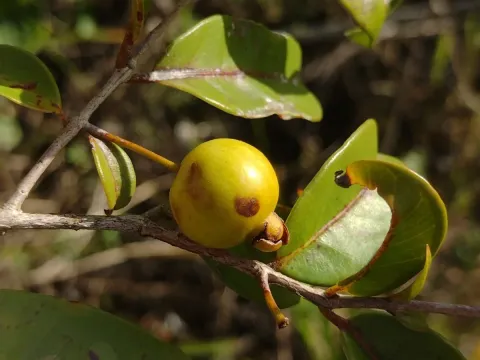
Psidium oligospermum
Psidium oligospermum
Psidium oligospermum is a distinct species within the Myrtaceae family, known for its specific botanical characteristics that align with other members of the Psidium genus. As a woody perennial, it thrives in tropical environments, displaying a robust habit and evergreen foliage.
What the section contains
Psidium oligospermum
Originating from the tropical regions of South America, this plant is naturally adapted to high-humidity environments and consistent thermal conditions. It is typically found in native forests where competition for sunlight and space is a determining factor for its development.
Regarding soil requirements, Psidium oligospermum prefers well-draining, nutrient-rich substrates that allow for proper root aeration. A slightly acidic to neutral pH level is ideal for optimizing the uptake of essential macro- and micronutrients required for healthy vegetative growth.
Climatic adaptability is limited to tropical and subtropical zones, as the plant is extremely sensitive to cold stress. Temperatures below freezing can be fatal to the plant, making controlled environmental cultivation necessary for those outside its native geographical range.
Agronomic management involves regular maintenance practices such as canopy thinning and fertilization cycles to support fruit production. Proper spacing between trees is crucial to ensure optimal light penetration and airflow, which minimizes the micro-climate favorable for disease outbreaks.
The plant faces several phytosanitary challenges, primarily involving fungal pathogens. These pathogens often thrive when atmospheric moisture levels remain high for extended periods, leading to leaf spot diseases and bark infections that can compromise tree health.
Insect pests, including various scale species and mites, pose a consistent threat to the foliage and young shoots. These pests can significantly stunt the growth rate of the plant and reduce the overall photosynthetic capacity of the canopy if not managed effectively.
Root system health is frequently challenged by poor soil drainage. Excessive irrigation or water-logging leads to root hypoxia, making the plant susceptible to soil-borne fungi like Phytophthora, which can result in rapid decline and tree mortality.
Integrated Pest Management (IPM) strategies are highly recommended to control common issues. This involves a combination of mechanical removal, biological controls, and chemical treatments applied only when necessary to keep pest populations below economic damage thresholds.
Regular monitoring of the canopy and soil moisture levels is essential for preventive care. By maintaining a clean environment around the root zone and ensuring adequate ventilation through strategic pruning, growers can drastically reduce the incidence of typical tropical diseases.