
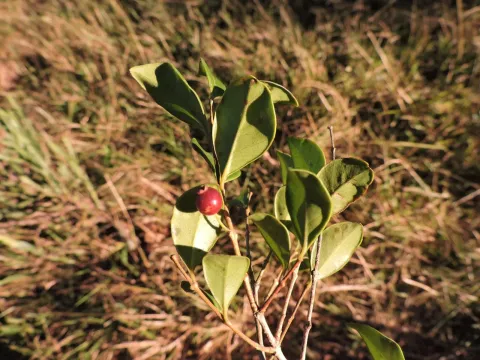
Psidium ovale
Psidium ovale
Propagation of Psidium ovale is most effectively achieved through seeds, which helps ensure better adaptability to local conditions. The optimal time for sowing is during the spring season, when the daylight hours begin to increase, providing the necessary natural light for developing seedlings.
What the section contains
Psidium ovale
Seeds should be sown in a light, well-draining substrate at a depth of approximately one centimeter while maintaining constant soil moisture. It is crucial to maintain a stable temperature range of 22–25 degrees Celsius, which significantly accelerates the germination process.
Pricking out seedlings is conducted after the emergence of two to three pairs of true leaves, transferring them into individual pots. In the early stages of development, plants require protection from direct sunlight to prevent scorching of the tender foliage.
For vegetative propagation, semi-hardwood cuttings are used, which root well under high humidity conditions. This method allows for the preservation of all desirable varietal characteristics, which is particularly valuable for commercial cultivation.
Transplanting into open ground or permanent containers should only be performed once the danger of late frosts has passed. Psidium ovale is highly sensitive to low temperatures, so moving plants outdoors too early can lead to stunted growth.
Psidium ovale belongs to the Myrtaceae family and is a heat-loving tropical plant. For successful development, it requires temperatures ranging from 20 to 30 degrees Celsius throughout the entire vegetative growth period.
The plant prefers well-lit areas protected from strong winds, which can damage fragile branches. In conditions of insufficient light, Psidium slows its growth rate and reduces fruit intensity, making the choice of location critical for success.
Soil requirements include a fertile, loose substrate with a neutral or slightly acidic pH. Waterlogging is lethal to the crop, so it is essential to install a robust drainage layer made of expanded clay or gravel during planting.
A key factor is regular but moderate irrigation, allowing the top layer of soil to dry slightly between waterings. During the active flowering and fruit-setting phases, water demand increases, necessitating close monitoring of root zone moisture.
The crop responds positively to organic and mineral fertilizers, especially during active growth phases. It is recommended to use balanced compositions with a higher proportion of nitrogen in the spring and potassium-phosphorus blends during the fruiting period.
The yield of Psidium ovale depends directly on growing conditions and the age of the tree. When grown from seed, the first fruits may appear in the third or fourth year, whereas grafted specimens begin producing fruit much faster.
The fruits are small, oval-shaped berries valued for their specific aroma and flavor. On a commercial scale, the crop's productivity is limited by its microclimate requirements, meaning the primary harvest is obtained in tropical regions.
To increase marketable output, regular sanitary and structural pruning is applied. Removing weak or dense canopy branches promotes better light penetration and air circulation to the fruits, positively impacting their quality and overall mass.
The economic use of Psidium ovale includes the food industry, where fruits are consumed fresh or processed into juices, jams, and jellies. The firm skin of the fruits provides acceptable transportability over medium distances.
Due to a high concentration of vitamins and organic acids, the fruits possess dietary value and are frequently used in the composition of various functional food products and local desserts.
Psidium ovale is susceptible to pests typical of the Myrtaceae family, such as scale insects and spider mites. These pests multiply rapidly in dry air, making regular prophylactic foliage inspections essential for early detection.
Fungal diseases, including powdery mildew and leaf spot, develop under conditions of poor ventilation and excessive humidity. Affected areas must be removed and destroyed promptly to prevent the further spread of infection.
Root rot is the most dangerous disease when cultivating in greenhouses due to overwatering. Prevention consists of adhering to agronomic standards and using sterilized soil during repotting.
To combat pests, biological control agents or systemic insecticides are used. It is important to rotate products to prevent the development of resistance in pest populations to specific active ingredients.
Comprehensive care, including maintaining hygiene in the agro-ecosystem and optimizing the microclimate, is key to the health of Psidium ovale. A healthy plant possesses a natural immunity that allows it to resist most pathogens successfully.
The harvesting of Psidium ovale is carried out selectively as the fruits reach their characteristic color and aroma. Overripe fruits tend to soften quickly, so it is important not to miss the optimal stage of technical maturity.
Harvesting is performed manually by carefully cutting fruits with a portion of the stem to avoid damaging the delicate skin. The cutting tool must be sharp and pre-disinfected to exclude the risk of tree infection through the cuts.
After collection, fruits should be cooled to extend their shelf life. The optimal storage temperature is 8–10 degrees Celsius, which allows the product to remain fresh for several weeks.
During the harvest process, it is important to sort fruits by size and degree of ripeness. This optimizes further logistics and product sales, directing the ripest items for quick processing or local markets.
Psidium ovale holds potential for breeding programs aimed at improving fruit shelf life. Ongoing research contributes to more efficient harvest planning and increases the overall profitability of cultivating this crop.