
Psidium myrtoides
Psidium myrtoides
Description
Growing requirements
Psidium myrtoides is a notable member of the Myrtaceae family, native to the tropical regions of South America where it thrives in humid and fertile forest ecosystems.
The plant requires well-drained, nutrient-rich soils with a slightly acidic profile to optimize nutrient uptake and prevent root diseases common in tropical environments.
Climate requirements include a frost-free environment with consistent warmth; the plant is sensitive to cold spells and performs best under stable tropical or subtropical conditions.
Cultural practices should emphasize adequate sunlight exposure, though protection from intense noon sun is beneficial for young plants to avoid leaf scorch during the summer.
Proper irrigation management is essential, ensuring the soil remains moist but not waterlogged, as stagnant water is detrimental to the overall health of the root system.
Yield
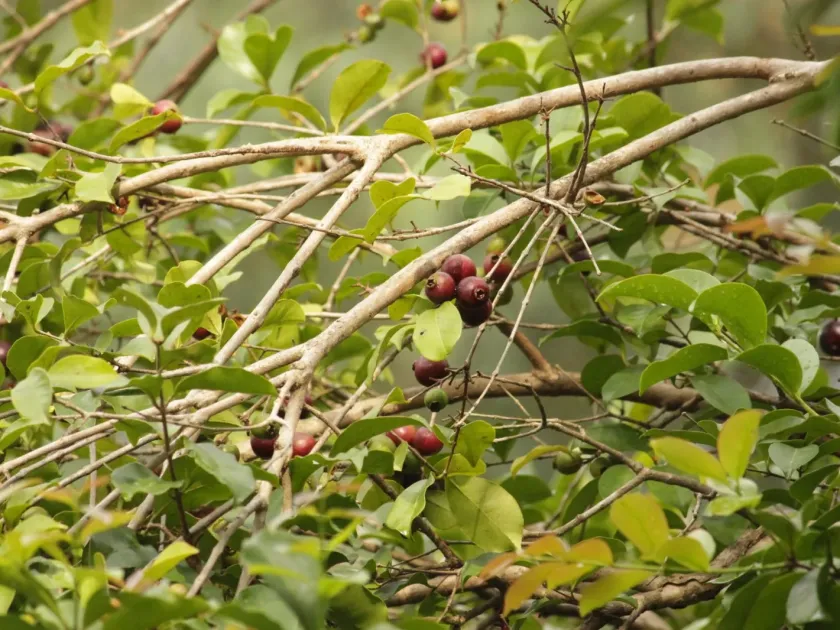
Psidium myrtoides is cultivated for its aromatic fruits, which are highly valued for both fresh consumption and various culinary applications such as juices and preserves.
The yield potential of the tree is significantly enhanced through structured pruning, which encourages the development of healthy fruiting wood and maximizes harvest.
Harvesting is typically done manually, ensuring that the fruit is picked at peak maturity to maintain the optimal flavor profile and texture of the pulp.
Post-harvest handling is critical for commercial success, as the fruits have a relatively short shelf life and require careful cooling to prevent rapid spoilage.
Sustainable cultivation practices, including the use of organic mulching, help maintain soil fertility and water retention, contributing to consistent annual yields.
Main diseases and pests
The crop is susceptible to several fungal diseases, particularly anthracnose and powdery mildew, which flourish in high-humidity conditions without proper air circulation.
Insect pests, including scale insects and mites, frequently pose a challenge, causing damage to the foliage and potentially hindering the tree's growth and production.
Integrated pest management strategies are recommended, focusing on maintaining tree vigor and applying selective insecticides when population thresholds are exceeded.
Proactive management includes regular orchard sanitation, removing fallen leaves and infected branches to minimize the inoculum levels of pathogens in the field.
Close monitoring for early signs of infestations allows for precise intervention, reducing the need for broad-spectrum chemical applications on the plantation.