
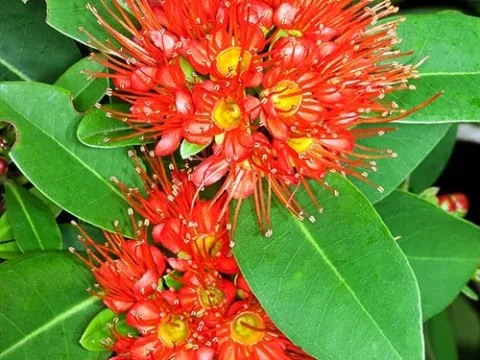
Purpureostemon
Purpureostemon
Purpureostemon is a genus belonging to the Myrtaceae family, native to the western parts of Australia. As a specialized shrub, it occupies unique ecological niches and requires specific environmental conditions to thrive in cultivation.
What the section contains

Purpureostemon
The plant performs best in well-drained, sandy, or gravelly soils. Given its natural habitat, it is highly intolerant of waterlogged soil, which necessitates the use of a substrate with excellent aeration and drainage properties.
Purpureostemon is a sun-loving species that requires full sunlight to maintain its structural integrity and encourage regular flowering. Providing ample light is crucial for the development of its characteristic botanical features.
Regarding climate, the species is sensitive to extreme cold and frost. In non-native regions, it is typically grown as a container plant in greenhouses or conservatories where temperatures can be strictly controlled.
Agronomic management involves minimal irrigation during the dormant phase and careful nutrient application. As an Australian endemic, it is adapted to low-phosphorus soils and can be sensitive to over-fertilization.
The most significant threat to Purpureostemon in cultivation is root rot, particularly caused by Phytophthora species. This pathogen thrives in moist environments, making proper drainage management the top priority for growers.
Pests such as spider mites and mealybugs are common in protected environments like greenhouses. They target the succulent parts of the plant and can quickly spread if humidity and ventilation are not correctly managed.
Fungal leaf spots can develop if the foliage remains wet for extended periods. Ensuring good airflow around the canopy helps to mitigate this risk and maintains the plant's aesthetic quality.
Integrated pest management (IPM) is recommended to manage infestations. Using systemic insecticides should be approached with caution due to the plant's potential sensitivity to chemical compounds.
Cultural practices such as sanitation and the use of pathogen-free growing media are essential for long-term health. Monitoring the root zone and plant health should be integrated into a weekly routine.