
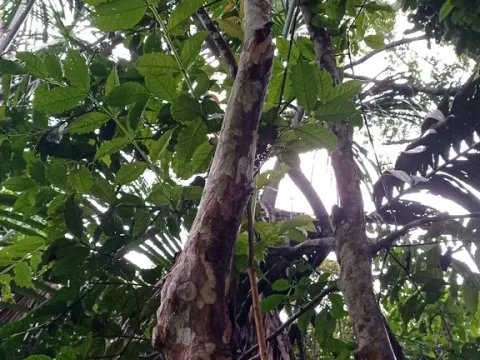
Psidium acidum
Psidium acidum
Psidium acidum is a tropical evergreen fruit-bearing tree belonging to the Myrtaceae family. Native to South America, this plant is well-adapted to warm, humid environments where temperatures remain consistently high throughout the year.
What the section contains
Psidium acidum
The plant thrives in well-lit areas, preferring bright but indirect sunlight to prevent leaf scorching. In regions with cooler climates, it must be cultivated in greenhouses or conservatory settings to protect it from frost, which can be fatal to the species.
Soil requirements for this crop include a fertile, slightly acidic to neutral substrate with excellent drainage. Waterlogged soil must be avoided at all costs, as the roots are highly susceptible to rot under anaerobic conditions.
Regular irrigation is essential, especially during the active growing season. However, it is important to allow the top layer of the soil to dry slightly between waterings to maintain a healthy root environment.
Pruning is a critical agronomic practice for Psidium acidum. Consistent shaping helps maintain a manageable size for harvest and ensures that light reaches the inner branches, which promotes better fruit production.
The fruit of Psidium acidum is recognized for its high acidity and strong, distinct flavor. While it is rarely eaten fresh due to its sour nature, it is highly valued in the food processing industry for its nutritional profile.
It is commonly used to create juices, concentrates, jellies, and desserts. The high concentration of vitamin C and antioxidants makes it a sought-after ingredient for health-conscious food products.
Productivity typically begins to stabilize after the tree reaches its third to fifth year of growth. Providing balanced NPK fertilizers with micronutrients significantly boosts yield and fruit quality.
Besides its fruit, the plant holds potential for agroforestry systems in its native range, where it contributes to biodiversity while providing seasonal harvests.
Harvesting is usually done by hand as the fruits ripen. Because they have thin skins and are perishable, careful post-harvest handling is necessary to maintain quality for commercial distribution.
Pests such as mealybugs and scale insects represent the most significant threat to the plant. These insects feed on the plant sap, leading to stunted growth and reduced vigor if left untreated.
Fungal leaf spots can occur when humidity levels are excessively high and air circulation is poor. Improving ventilation within the canopy is the most effective way to prevent the spread of these pathogens.
Root nematodes can cause serious damage in tropical soils, weakening the tree's ability to absorb water and minerals. Using certified disease-free soil mixes for potted plants is a common preventative measure.
Iron chlorosis is a common nutritional disorder, often caused by improper soil pH. Correcting the pH level and using chelated micronutrient supplements helps restore the foliage's deep green color.
For sustainable pest management, integrated pest management (IPM) strategies, including the use of horticultural oils and predator introduction, are highly recommended over chemical pesticides.