
Psidium robustum
Psidium robustum
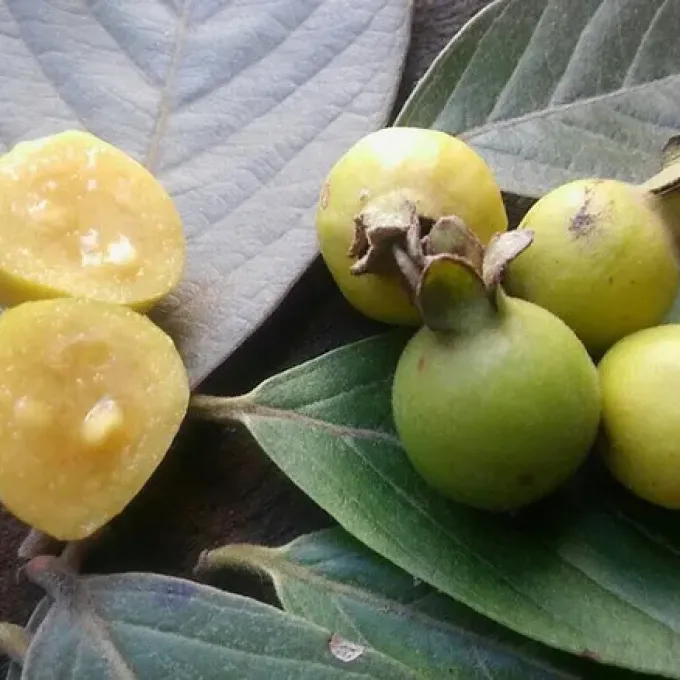
Description
Growing requirements
Psidium robustum belongs to the Myrtaceae family, a group of woody plants known for their aromatic foliage and valuable fruits. This specific species is native to the tropical regions of South America, where it thrives in humid and warm environments.
The plant requires a stable tropical climate with minimal seasonal temperature variation. It is highly intolerant of frost, which restricts its cultivation primarily to the tropical zone or climate-controlled greenhouses in other parts of the world.
Optimal soil conditions include well-draining, nutrient-rich substrates with a slightly acidic to neutral pH level. Proper soil aeration is critical, as the roots are sensitive to waterlogging, which can lead to rapid decay and plant health issues.
Psidium robustum requires full sun exposure to maintain vigorous growth and produce quality fruits. Insufficient light levels often result in weak, elongated branches and a significant decrease in flowering performance throughout the growing season.
A consistent irrigation schedule is essential, especially during the fruit development stage. Maintaining high ambient humidity levels is also beneficial, as it supports the general health and metabolic processes of this tropical plant species.
Harvesting
Harvesting typically occurs when the fruits reach their physiological maturity, characterized by softening and a change in color. Hand-harvesting is preferred to protect the delicate outer skin of the fruit from bruising or mechanical damage during the collection process.
The fruit of Psidium robustum is utilized in various food industries for producing jams, jellies, and refreshing beverages. Its high pectin content and nutritional value make it a desirable commodity for local and specialized international markets.
Post-harvest handling is a crucial step in ensuring shelf-life. Fruits should be stored in cool, ventilated areas to slow down the ripening process and maintain flavor profiles before they reach the final consumer.
Regular maintenance pruning is recommended to encourage structural growth and fruit production. Removing dead or diseased branches helps improve air circulation within the canopy, which effectively reduces the risk of fungal infections.
Efficient orchard management, including nutrient supplementation and pest monitoring, is key to maximizing yields. Producers must stay vigilant to protect the fruit from seasonal pests that thrive in humid, tropical conditions.