
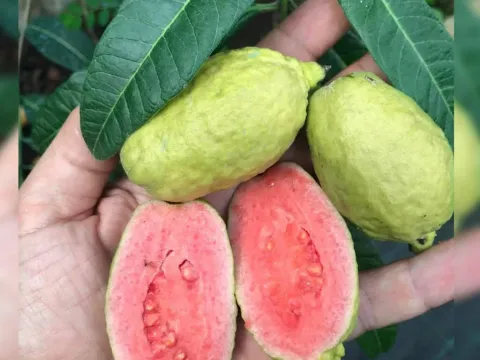
Psidium striatulum
Psidium striatulum
Psidium striatulum is a distinct species within the Myrtaceae family, native to the tropical regions of South America. It thrives in warm, humid climates and is primarily adapted to the ecological conditions found in tropical forests and savannahs.
What the section contains
Psidium striatulum
The climate requirements for this culture are strict: it requires constant warmth and is highly sensitive to frost. Any exposure to temperatures near or below freezing can result in severe damage to the tree's vascular system and leaves.
Regarding soil, the species prefers well-draining, nutrient-rich substrates with a slightly acidic to neutral pH level. It does not tolerate waterlogging, which often leads to root rot if the soil structure remains saturated for extended periods.
Cultivation practices must focus on moisture management and consistent irrigation during the dry season. Providing adequate water while ensuring proper drainage is the cornerstone of successful plantation management for this crop.
The botanical structure of the plant features a smooth bark and dense, leathery foliage typical of the Myrtaceae family. Its growth habit requires sufficient spacing to allow for optimal canopy development and exposure to sunlight.
The primary agricultural utility of Psidium striatulum is the production of its aromatic fruit. These fruits are highly regarded in local markets and are increasingly being explored for commercial food processing applications.
Yield performance is highly dependent on the age of the orchard and the intensity of the agronomic inputs provided. Advanced commercial plantations utilize precise fertilization schedules to maximize fruit set and quality.
Harvesting is performed manually to maintain fruit integrity. Because the fruit is delicate upon reaching maturity, handling procedures must be gentle to minimize physical damage that could trigger rapid spoilage during transport.
Market economics are dictated by the shelf life of the fruit, which is relatively short. As a result, many producers focus on immediate regional distribution or processing into value-added products like juices and preserves.
Continuous efforts in cultivar selection and plantation management are crucial for achieving sustainable yield levels that justify the operational costs of growing this tropical fruit species.
The major threats to the health of Psidium striatulum plantations include fruit flies and various scale insects that thrive in tropical environments. Integrated pest management (IPM) strategies are essential to control these populations.
Fungal pathogens represent a significant risk, particularly under conditions of poor air circulation and excessive humidity. Regular monitoring and the application of fungicides are standard preventative measures in professional settings.
Weed management is critical during the establishment phase of the plantation. Competing vegetation can severely limit the growth of young trees by consuming available soil moisture and nutrients before they reach the main root zone.
Pruning is an essential maintenance task used to control canopy density and ensure that all parts of the tree receive adequate light. This practice also helps in maintaining the tree's height, facilitating easier harvest operations.
Finally, environmental stress caused by irregular rainfall or improper irrigation can weaken the trees, making them more susceptible to opportunistic diseases that can eventually lead to decline in productivity or tree mortality.