
Psidium grandifolium
Psidium grandifolium
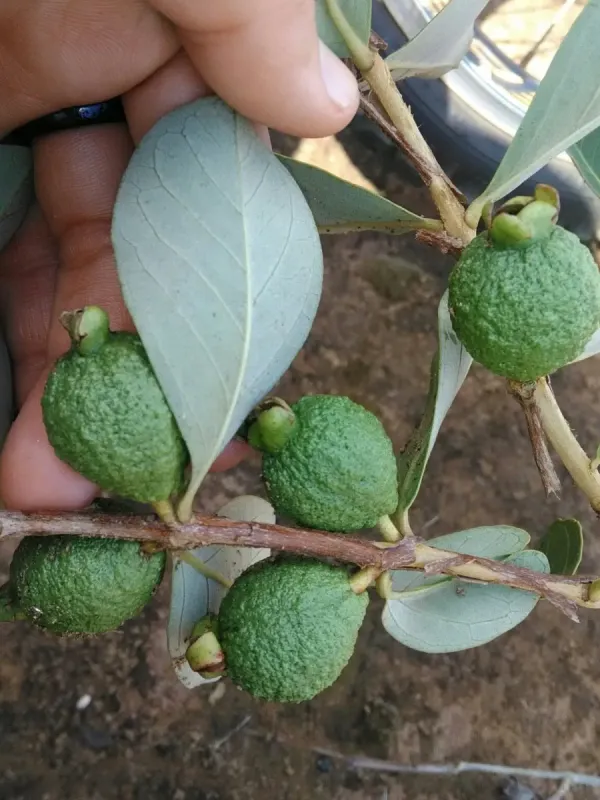
Description
Growing requirements
Psidium grandifolium is a distinguished member of the Myrtaceae family, native to the tropical regions of South America, particularly thriving in Brazil's diverse ecosystems.
This crop requires a tropical or subtropical climate where temperatures remain consistently warm, ideally between 20°C and 28°C throughout the growing season.
Soil management is critical for this species; it prefers well-drained, nutrient-rich soils that retain moisture without becoming waterlogged, which is essential for root health.
Light intensity is a major factor in productivity, and while the plant appreciates full sun, protection from intense midday heat is recommended to avoid leaf scorch.
Consistent irrigation is necessary to support its broad leaves, but it is vital to allow the soil surface to dry slightly between waterings to prevent root system suffocation.
Main diseases and pests
Common pests affecting Psidium grandifolium include scale insects and mealybugs, which often colonize the underside of leaves and branch junctions in low-ventilation environments.
Spider mites can become a significant issue during periods of low humidity, causing yellowing and premature dropping of foliage if left untreated.
Fungal pathogens such as anthracnose are frequent when high humidity is combined with stagnant air, potentially damaging both fruit and leaves.
Root rot remains the most common physiological threat, usually triggered by poor drainage or over-watering, which leads to the collapse of the plant's vascular system.
Integrated Pest Management (IPM) strategies, including regular inspections and the use of insecticidal soaps, are recommended for maintaining plant health in agricultural settings.