
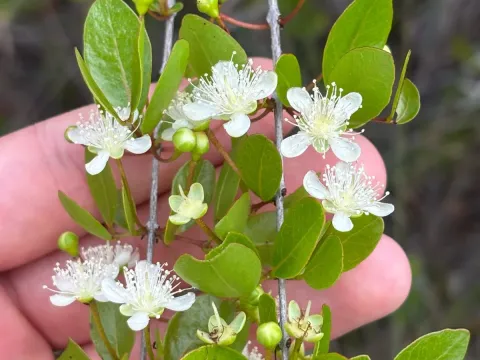
Psidium longipes
Psidium longipes
Propagation of Psidium longipes is typically achieved through seeds or stem cuttings. Fresh seeds are extracted from mature fruits and sown into a well-draining, organic-rich germination substrate.
What the section contains
Psidium longipes
Optimal germination requires consistent temperatures between +22 and +25 degrees Celsius. It is essential to maintain high soil moisture levels without causing waterlogging, which could jeopardize the developing seedling.
Cuttings are often preferred for propagation as they ensure the clones retain the superior genetic traits of the mother tree. Semi-hardwood cuttings should be treated with root-promoting hormones to ensure successful strike rates.
Seedlings should be transplanted into individual containers once they develop two or three sets of true leaves. They are kept in nursery conditions until they reach a height of 20–30 centimeters before final planting.
The growth rate of the species is moderate during the initial stages. Young plants require protection from harsh direct sunlight and strong winds during their first year of establishment in the field.
Psidium longipes, a member of the Myrtaceae family, thrives in tropical and subtropical climates. It is highly sensitive to frost, which limits its outdoor cultivation to frost-free geographical regions.
The plant prefers fertile, slightly acidic to neutral soil. A loam or sandy-loam soil structure with excellent aeration is ideal to prevent the buildup of stagnant water in the root zone.
This species is a light-demanding plant; therefore, full sun exposure is mandatory for healthy development and consistent fruit production. Shaded conditions lead to spindly growth and poor flowering.
Regular irrigation is required, particularly during the flowering and fruit-set stages. However, growers must balance this with good drainage to prevent the development of root rot diseases.
Nutrient management involves the application of balanced NPK fertilizers with an emphasis on potassium and phosphorus during the growing season to support high-quality fruit development.
Yield capacity varies based on the age of the tree, cultivation environment, and local management practices. In optimal conditions, a healthy mature tree provides a consistent seasonal yield.
The fruits are small, globose berries that possess a distinct flavor and aroma. They are highly valued for their high vitamin C content and the presence of beneficial antioxidants.
The harvest period is often staggered, allowing for multiple picking sessions over several weeks. This extended period is highly advantageous for small-scale farming and home garden production.
Pruning is a critical practice to improve yield and air circulation within the tree canopy. Removing dead or crossing branches after the harvest promotes the growth of new, productive fruiting wood.
Post-harvest use includes fresh consumption and various culinary applications such as jams, jellies, juices, and flavorings for the food and beverage industry.
Major pests include mealybugs and scale insects, which feed on the sap of tender leaves and shoots. Integrated pest management, including the use of neem oil or systemic insecticides, is recommended.
Fungal diseases like powdery mildew and anthracnose can occur in high-humidity environments or where canopy ventilation is poor. Proper spacing is a key preventative measure against these infections.
Root rot is a common issue linked to overwatering or poor soil drainage. Utilizing substrates enriched with perlite or coarse sand helps improve drainage and oxygenation for the roots.
Birds can cause significant economic losses by damaging maturing fruits. Growers often install protective netting over trees as the fruits begin to ripen to prevent avian predation.
Strict sanitation and the disinfection of tools help reduce the risk of spreading pathogens between plants. Early detection through regular monitoring is the foundation of effective crop protection.
Harvesting is performed manually as fruits reach peak ripeness, characterized by color changes and a softening of the skin. Fruits that are over-ripe are highly perishable and prone to dropping.
Picking should occur during the cooler morning hours to ensure maximum freshness and shelf life. Using soft gloves is advisable to prevent skin bruising or mechanical damage to the fruits.
Post-harvest life is relatively short, usually spanning only a few days at room temperature. Refrigeration at approximately +5 degrees Celsius can extend the shelf life for short-term logistics.
For market transport, fruits should be stored in shallow, ventilated trays to prevent crushing and moisture buildup. Careful handling is necessary to maintain the visual quality of the product.
Implementing efficient harvest protocols not only preserves the quality of the harvested produce but also ensures the long-term vigor and sustainability of the orchard.