
Psidium salutare
Psidium salutare
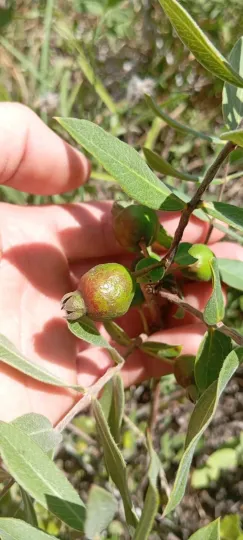
Description
Growing requirements
Psidium salutare is a woody plant belonging to the Myrtaceae family, native to the tropical regions of South America. It is a distinct species often characterized by its resilient nature and adaptability to different environmental conditions within its original range.
The plant thrives in full sun exposure, which is essential for healthy foliage development and consistent fruit production. It prefers climates that remain frost-free, as exposure to freezing temperatures can severely damage the plant's vascular system.
Regarding soil requirements, Psidium salutare performs best in well-drained, slightly acidic to neutral soil types. It is important to maintain consistent soil moisture, particularly during the flowering and fruit-setting stages, though it can tolerate short dry spells once established.
Effective agrotechnical practices for this species include the implementation of a regular pruning schedule to manage the canopy structure. This improves air circulation and sunlight penetration, which are critical factors for preventing moisture-related plant health issues.
Fertilization should be balanced, focusing on providing essential micronutrients alongside nitrogen, phosphorus, and potassium to support the metabolic needs of the plant during its active growing cycle.
Yield
The primary agricultural utility of Psidium salutare lies in its fruit, which is highly appreciated for its unique flavor and nutritional profile. The fruits are commonly utilized in the production of juices, jams, and preserves.
Yield capacity can be significant when the plants are grown in optimal environmental conditions. As an exotic fruit crop, it is gaining interest for its potential in specialized agricultural markets focusing on native tropical species.
Beyond fruit production, the species contributes to biodiversity in agroforestry systems. Its root system helps in maintaining soil integrity, particularly in slopes where erosion might be a concern.
The nutritional profile of the berries includes high concentrations of vitamins and minerals, making them a valuable commodity for the health food industry and local subsistence agriculture.
Harvesting is typically done by hand due to the delicate nature of the fruits. Proper post-harvest handling is necessary to maintain the shelf life and quality of the product during transit.
Main diseases and pests
The species is susceptible to various pests, most notably fruit flies, which can compromise the integrity of the ripening fruit. Integrated pest management (IPM) is recommended to mitigate these impacts.
Fungal pathogens can pose a risk, particularly in high-humidity climates where moisture accumulates on the leaf surfaces. Good cultural practices, such as removing fallen leaves, can reduce disease pressure.
Scale insects and aphids may occasionally infest young stems or the undersides of leaves, requiring regular monitoring and, if necessary, the application of horticultural oils or soap-based sprays.
Ensuring adequate distance between plants when establishing a plantation is a key strategy for reducing the rapid spread of airborne pathogens within the orchard.
In cases of severe infestation or disease, targeted chemical control following strictly regulated intervals is necessary to protect the yield without harming local pollinator populations.