
Psiloxylon
Psiloxylon
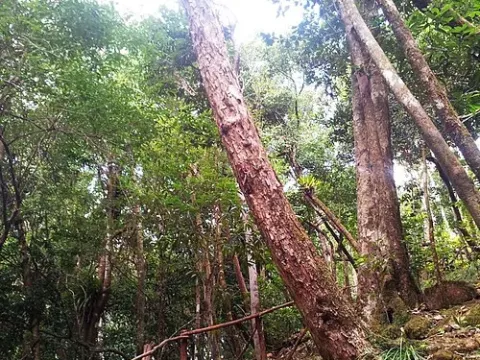
Psiloxylon is a monotypic genus of flowering plants belonging to the Myrtaceae family. In the wild, this species is found exclusively on the Mascarene Islands, specifically on Réunion and Mauritius, where it thrives in the unique conditions of humid tropical forests.
What the section contains
Psiloxylon
This culture is characterized as an evergreen tree or a large shrub. A notable botanical feature that distinguishes it from most other members of the Myrtaceae family is the complete absence of oil glands, which is a rare trait for this plant group. The leaves have a leathery texture and are arranged oppositely along the branches.
Successful growth of this plant requires stable high temperatures throughout the year and consistently high air humidity, which are characteristic of equatorial and tropical climates. It prefers well-drained, fertile soils rich in organic matter, with a soil pH range that is neutral to slightly acidic.
Agricultural practices for Psiloxylon are not widely documented, as the plant is relatively rare and lacks significant industrial production. General cultivation care involves maintaining a regular watering schedule and protecting young seedlings from direct, scorching sunlight to ensure optimal crown development.
The economic use of Psiloxylon is largely localized to its natural range. The timber of this tree is occasionally used in local construction, while its ornamental value is recognized by botanical gardens and plant enthusiasts who appreciate its distinct architectural crown and evergreen foliage.
The primary threats to Psiloxylon include fungal diseases that typically arise when there is poor drainage or excess moisture accumulation in the root zone. Common pests found in its native habitat, such as tropical scale insects and spider mites, may also pose a risk if the plant is grown in controlled environments with improper microclimate management.