
Plinia
Plinia
Plinia is a genus of evergreen trees and shrubs belonging to the Myrtaceae family. In agriculture, the most recognized species is Plinia cauliflora, commonly known as jaboticaba. These plants are native to South America, primarily Brazil, where they thrive in tropical forest environments.
What the section contains


Plinia
The crop has high temperature requirements, favoring a consistently warm tropical climate without sudden fluctuations. Optimal growth and fruiting occur in temperatures ranging from 20 °C to 30 °C. The plant is extremely sensitive to frost, which can be fatal to young and mature trees alike.
A crucial condition for successful cultivation is maintaining high air and soil humidity. Plinia prefers fertile, deep soils with excellent drainage and a slightly acidic pH level. While waterlogging at the roots must be avoided, the plant requires regular watering, especially during dry spells.
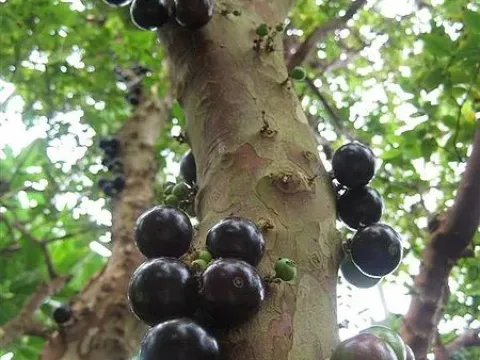
A distinctive botanical feature of the crop is cauliflory, a phenomenon where flowers and fruits develop directly on the trunk and thick branches. This makes the fruiting process visually striking and necessitates specific manual harvesting techniques.
Economically, Plinia is valued for its fruits, which resemble grapes in taste and appearance. They are processed into juices, jams, wines, and liqueurs. Due to their high content of antioxidants and vitamins, the fruits are highly regarded as a healthy, nutritious dietary product.
Despite their robustness in natural settings, Plinia trees are susceptible to various tropical pests. The most common threats include scale insects and mealybugs, which feed on the plant sap, significantly weakening the tree's health and vigor.
Fungal diseases, such as rust and various leaf spots, often occur due to poor air circulation within the canopy or excessive humidity. Proactive measures include regular pruning to ensure adequate airflow and avoiding overhead irrigation.
Root rot can develop if irrigation is poorly managed or if the soil is too heavy, preventing proper drainage. It is essential to monitor soil pH levels to prevent micronutrient deficiencies, which can further decrease the tree's resistance to pathogens.
Pest management is often challenging because the fruits are frequently consumed fresh, limiting the use of harsh synthetic pesticides. Integrated pest management, including biological controls and plant-oil-based insecticides, is highly recommended.
Routine inspections of the bark and foliage are critical for early detection of issues. In commercial orchards, pheromone traps are often utilized to monitor insect populations and manage the timing of necessary interventions.