
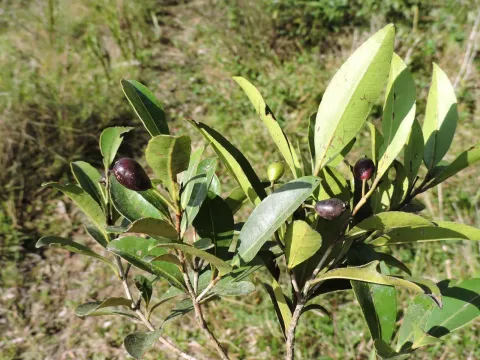
Pimenta
Pimenta
Pimenta is a genus of evergreen trees belonging to the Myrtaceae family. The most commercially significant species is Pimenta dioica, native to the Caribbean and Central America, famously known for producing allspice berries.
What the section contains


Pimenta
The plant thrives in tropical climates characterized by high humidity and stable temperatures, ideally between 20 and 30 degrees Celsius. It cannot tolerate freezing temperatures, which restricts its cultivation to equatorial and tropical regions.
Soil requirements include fertile, well-draining substrate with a neutral to slightly acidic pH. Poor drainage is detrimental to the tree, as the root system is highly susceptible to rot under waterlogged conditions.
Agricultural practices involve consistent application of organic mulch and nutrients to support foliage development. Young trees require partial shade to protect them from excessive solar radiation during their establishment phase.
The economic value of Pimenta is primarily derived from its dried berries, which are an essential spice in global cuisine. Additionally, the wood and leaves are utilized in local industries for essential oil extraction.
Rust fungi represent a major biological threat to Pimenta plantations. This disease affects foliage, leading to premature leaf drop and significantly reducing the tree's photosynthetic capacity and overall berry output.
Pests such as scale insects and mealybugs frequently infest the branches. These pests feed on the sap, weakening the tree and providing entry points for secondary bacterial and fungal infections.
Root rot is a common issue in orchards with improper irrigation management. Maintaining adequate spacing between trees is crucial to improve airflow, which helps keep the foliage dry and prevents the spread of pathogens.
Insects that consume foliage can cause significant damage during the active growing season. Integrated pest management strategies are often employed to maintain the balance of beneficial insects within the orchard.
Regular pruning is a vital sanitary measure. By removing dead or diseased wood, farmers can minimize the build-up of inoculum and maintain the overall health and vigor of the Pimenta trees.
Harvesting Pimenta is a delicate manual process. Berries must be picked while they are still green but fully grown, as this is the point when the concentration of essential oils is at its absolute peak.
Once gathered, the berries undergo a drying process. Traditionally, they are sun-dried on large platforms until they turn a deep brown color and achieve a brittle, hard texture suitable for long-term storage.
Pimenta trees start producing fruit around 5–7 years after planting. A single tree can provide consistent yields for several decades, making it a sustainable long-term investment for farmers in tropical zones.
Careful handling during harvest is necessary to preserve the fruiting branches. Since the tree's wood can be fragile, workers use caution to ensure that future productive nodes are not destroyed during the picking process.
The final product is graded and stored in climate-controlled facilities to preserve its complex aroma. Proper post-harvest management is essential to prevent mold growth and ensure the quality remains high for international spice markets.