
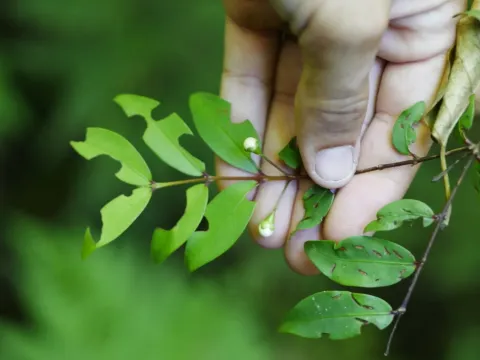
Pilidiostigma
Pilidiostigma
Pilidiostigma is a genus of evergreen trees and shrubs belonging to the Myrtaceae family. Native primarily to the coastal regions of Australia, these plants are well-adapted to humid environments and are recognized for their dense, glossy foliage and aromatic properties.
What the section contains


Pilidiostigma
The cultural requirements for Pilidiostigma involve a stable subtropical climate. They thrive in regions where frost is non-existent, as their metabolism is optimized for consistent temperatures throughout the year. Providing a frost-free environment is essential for long-term survival.
Sunlight exposure should be managed carefully. While these plants prefer bright conditions, they benefit from partial shade during the peak heat of the day to prevent leaf scorch and maintain leaf moisture levels within the tissues.
Soil requirements focus on high drainage capacity. The plant prefers slightly acidic to neutral soils enriched with organic matter. Growers should ensure that the planting site does not suffer from waterlogging, which is a common cause of root rot in Myrtaceae species.
Economically, Pilidiostigma serves as an ornamental plant in landscapes and specialized botanical collections. Certain varieties yield edible berries that are valued for their unique flavor profile in local culinary traditions, though they are not a primary commercial crop.
Pilidiostigma is susceptible to fungal issues, particularly when cultivated in poorly ventilated areas with high humidity levels. Fungal infections often manifest as leaf spotting, which can compromise the photosynthetic surface and overall vigor of the plant.
Pest pressures primarily come from sucking insects, including scale insects and mealybugs. These pests congregate on the stems and leaf undersides, extracting sap and weakening the plant structure, which can lead to stunted development.
Cultural management is the first line of defense against threats. Regular pruning ensures sufficient air circulation through the canopy, reducing the moisture pockets that favor fungal growth and facilitating easier pest inspection.
Integrated pest management protocols suggest monitoring the underside of leaves for early infestation signs. When necessary, the application of horticultural soaps or specific systemic insecticides can effectively manage population spikes without harming the plant.
Maintaining soil health through appropriate fertilization is vital for plant resistance. Nutrient deficiencies, such as low magnesium, often lead to yellowing leaves, making the plants more susceptible to environmental stress and opportunistic pathogens.