
Pericalymma
Pericalymma
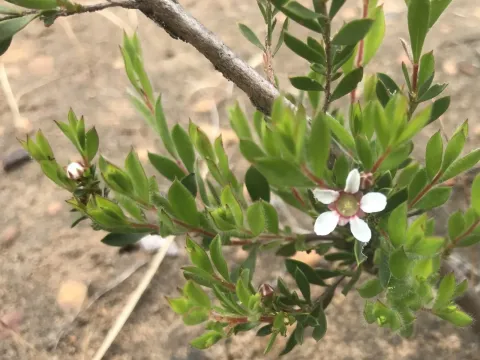
Pericalymma belongs to the Myrtaceae family. These are evergreen shrubs native to the southwestern part of Western Australia. In their natural habitat, they thrive in open areas with excellent light exposure.
What the section contains


Pericalymma
The culture has specific requirements regarding the soil substrate. It develops best in light, well-draining sandy or loamy soils with an acidic to neutral pH level. Waterlogging is fatal for this plant and leads to root system rot.
Pericalymma shows high sensitivity to sharp temperature fluctuations and heavy frosts. In temperate climate zones, this plant is often grown as a container crop, which is moved to indoor locations during the winter period.
For successful growth, the plant requires intense sunlight, though in extremely hot climates, light shading during midday hours is acceptable. Regular but moderate watering is the key to maintaining shrub health during the vegetation period.
Cultivation practices include systematic pruning, which helps shape a compact crown and stimulates active branching. Pericalymma remains ornamental throughout the year thanks to its dense foliage and abundant flowering, resembling the flowers of tea trees (Leptospermum).
The main threats to the plant are fungal diseases that develop under conditions of excessive soil and air humidity. Root rot (Phytophthora) is considered the most dangerous condition, capable of destroying the shrub in a short time.
Among pests, representatives of sap-sucking insects, such as spider mites and scale insects, are most common. They feed on leaf cell sap, leading to shoot deformation and a general weakening of the plant's immune system.
Prevention involves selecting an appropriate planting site, ensuring effective drainage, and avoiding waterlogging of the root zone. Upon detecting the first signs of pest infestation, appropriate insecticides or acaricides should be applied.
It is important to maintain the cleanliness of garden tools to prevent the transmission of pathogens. When growing in greenhouses or indoors, it is necessary to ensure regular ventilation to prevent stagnant, humid air.
The use of copper-based fungicides can be an effective measure for controlling early stages of fungal leaf and stem infections. Regularly inspecting the underside of leaf blades allows for the early detection and management of pest populations.