
Osbornia
Osbornia
Osbornia is a monotypic genus of mangrove trees belonging to the Myrtaceae family. This unique plant is native to the coastal regions of the Indo-Pacific, spanning from the Philippines to northern Australia, where it thrives in intertidal zones subject to frequent saline influence.
What the section contains

Osbornia
The culture is strictly adapted to saline environments, typically occupying muddy or sandy substrates along the shoreline. Its physiological adaptations include specialized salt-excreting tissues and a robust root system that maintains stability in fluid, waterlogged environments characteristic of tropical mangroves.
For sustainable growth, Osbornia requires a consistent tropical climate with high humidity and high, stable annual temperatures. It is highly sensitive to rapid environmental changes and relies on the specific tidal dynamics of its ecosystem to regulate nutrient uptake and waste removal.
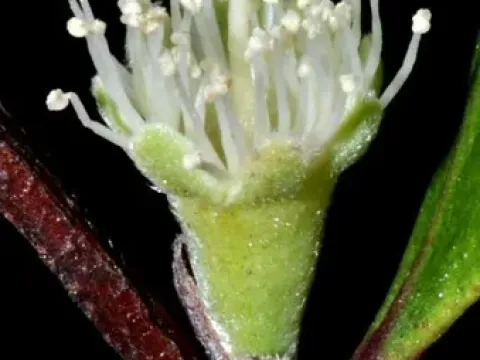
Botanically, it is classified as an evergreen shrub or small tree characterized by thick, leathery leaves and inconspicuous white flowers. This vegetative structure is specifically evolved to minimize water loss and withstand the intense salinity of the surrounding sea water during high tide periods.
Economically and environmentally, the primary value of Osbornia lies in coastal protection and habitat restoration. By anchoring soil and creating complex canopy structures, it provides essential refuge for diverse aquatic fauna, thereby maintaining the balance of the local marine and coastal food webs.
The primary threats to Osbornia include the extensive clearing of mangrove forests for aquaculture, particularly shrimp farming, and coastal development. Furthermore, the rising sea levels and pollution from industrial runoff are critical factors that jeopardize the long-term survival of this sensitive mangrove genus.