
Metrosideros
Metrosideros
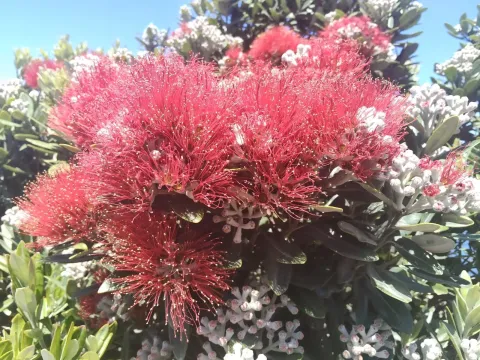
Metrosideros is a genus of evergreen trees and shrubs belonging to the Myrtaceae family. These plants are native to the subtropical and tropical regions of the Southern Hemisphere, particularly New Zealand, where they are often referred to as rata or pohutukawa.
What the section contains
 Metrosideros
 hybrids
Metrosideros
Metrosideros hybrids
 Metrosideros angustifolia
Metrosideros angustifolia
Metrosideros angustifolia
 Metrosideros bartlettii
Metrosideros bartlettii
Metrosideros bartlettii
 Metrosideros brevistylis
Metrosideros brevistylis
Metrosideros brevistylis
 Metrosideros elegans
Metrosideros elegans
Metrosideros elegans
 Metrosideros fulgens
Metrosideros fulgens
Metrosideros fulgens
 Metrosideros laurifolia
Metrosideros laurifolia
Metrosideros laurifolia
 Metrosideros nervulosa
Metrosideros nervulosa
Metrosideros nervulosa
 Metrosideros operculata
Metrosideros operculata
Metrosideros operculata
 Metrosideros polymorpha
Metrosideros polymorpha
Metrosideros polymorpha
 Metrosideros punctata
Metrosideros punctata
Metrosideros punctata
 Metrosideros sclerocarpa
Metrosideros sclerocarpa
Metrosideros sclerocarpa
 Metrosideros vitiensis
Shining Metrosideros
Metrosideros nitida
Metrosideros vitiensis
Metrosideros vitiensis
Shining Metrosideros
Metrosideros nitida
Metrosideros
The plant thrives in bright, direct sunlight, which is essential for the development of its iconic, vibrant red flowers. While it can tolerate partial shade in tropical habitats, in cultivation, it requires maximum exposure to thrive and maintain its shape.
Regarding soil requirements, Metrosideros prefers well-draining, slightly acidic to neutral soil. A mixture of peat, perlite, and high-quality potting compost is ideal for container-grown plants to ensure the roots do not remain waterlogged.
Temperature management is critical; the plant is not frost-tolerant and must be protected from freezing conditions. During the growing season, it prefers warm temperatures, while a cooler rest period in winter helps promote flowering in the subsequent year.
The agricultural and ornamental use of this genus is focused on landscape design in mild climates. Its high tolerance to salt spray makes it a popular choice for coastal landscaping, while its flowers attract a variety of pollinators, enhancing local biodiversity.
Common pests affecting Metrosideros include scale insects and mealybugs, which tend to infest the stems and leaves in sheltered or greenhouse environments, requiring systemic or contact insecticides for control.
Spider mites are a significant threat in hot, dry conditions, causing leaf yellowing and eventual defoliation. Maintaining adequate humidity levels is the primary method to deter these pests from settling on the foliage.
Root rot caused by Phytophthora or Pythium species is a major disease threat. This is almost exclusively associated with poor drainage and excessive watering, leading to the rapid decline of the root system.
Fungal leaf spot diseases may appear during periods of high humidity and stagnant air. These infections are managed through cultural practices, including improving air circulation and removing any affected plant material promptly.
Integrated pest management strategies are recommended, focusing on early detection and the use of environment-friendly horticultural oils to keep the plant canopy healthy and free from common infestations.