
Metrosideros brevistylis
Metrosideros brevistylis
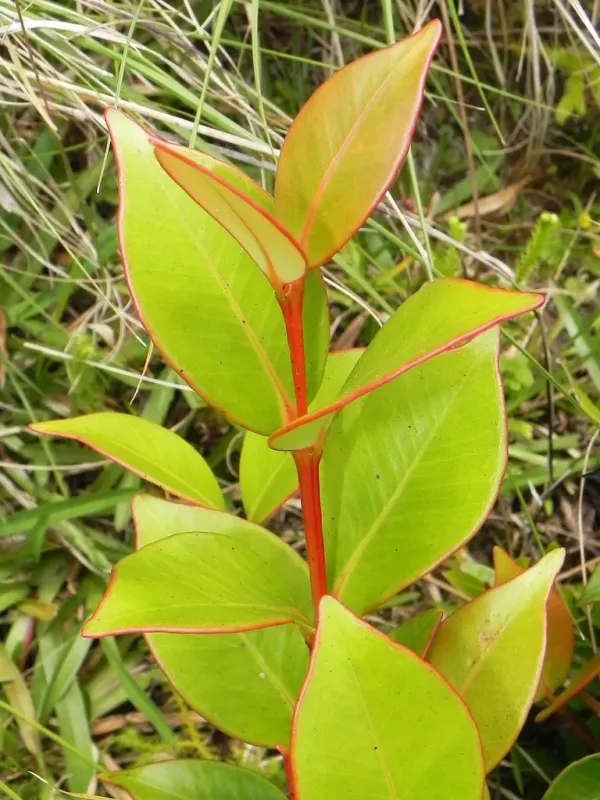
Description
Growing requirements
Metrosideros brevistylis is a distinct woody plant belonging to the Myrtaceae family. It is a botanical treasure originating from New Caledonia, a region known for its unique flora adapted to nutrient-poor ultramafic soils.
The climate requirements for this species include high ambient humidity and moderate temperatures. It is best suited for greenhouse cultivation where seasonal fluctuations are minimal and the environment can be tightly controlled by the grower.
Soil structure is paramount for the health of Metrosideros brevistylis. The medium must be exceptionally well-draining, typically consisting of a mix of volcanic rocks, coarse grit, and a small portion of organic matter to mimic its natural substrate.
Cultural management involves precise hydration strategies. Water should be applied only when the upper fraction of the soil has dried out slightly, preventing the risk of root asphyxiation, which is a common cause of failure in containerized plants.
Light intensity should be high but indirect. While the plant can tolerate some morning sun, midday exposure often results in leaf scorch, necessitating the use of shade cloth if grown under direct glass in warmer regions.
Main diseases and pests
Scale insects are among the most persistent pests affecting Metrosideros brevistylis. They attach themselves to stems and the undersides of leaves, drawing sap and weakening the overall vigor of the plant during the active growing season.
Spider mites represent a significant risk, particularly in environments where humidity levels fall below acceptable standards. These microscopic pests thrive in arid conditions, leading to stippled foliage and eventual leaf abscission.
Root rot caused by Phytophthora or Pythium species is a major threat linked to overwatering. Once the root system is compromised, the plant quickly loses its ability to absorb nutrients, showing signs of yellowing and wilting.
Sooty mold can develop on the leaves following the presence of aphids or mealybugs, as they secrete honeydew that serves as a medium for fungal growth. Cleaning the foliage and eliminating the source of honeydew is the standard management practice.
Nutrient toxicity, particularly from over-fertilization, can result in leaf tip burn. Because the species is adapted to lean soils, it requires a diluted feeding schedule, focusing on micronutrients rather than heavy nitrogen application.