
Micromyrtus
Micromyrtus
Micromyrtus is a genus of evergreen shrubs belonging to the Myrtaceae family. Native primarily to the arid regions of Australia, these plants are known for their resilience in harsh environmental conditions.
What the section contains

Micromyrtus
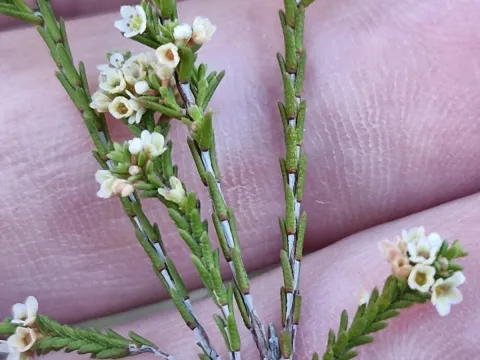
The plant features small leaves densely packed along the stems, forming a thick and often weeping crown. During the flowering season, the shrub becomes completely covered in small, cup-shaped flowers that range from white to pink.
Successful cultivation of Micromyrtus requires a location with bright, direct sunlight and protection from heavy winds. The culture is highly sensitive to waterlogged soil, making an efficient drainage system an essential requirement.
The soil mix should be light and well-aerated, maintaining a neutral to slightly acidic pH level. Avoiding water stagnation is critical, as it quickly leads to root rot, which is fatal for the plant, especially in winter.
In greenhouses or indoor environments, Micromyrtus requires regular air circulation. The temperature should be kept moderate, avoiding the rapid fluctuations typical of the subtropical climates from which the plants originate.
The primary threat to Micromyrtus is fungal infection caused by substrate oversaturation. Phytophthora root rot is considered the most destructive disease affecting this species.
Under greenhouse conditions, spider mites and scale insects can become a major issue. Regular inspection of the underside of the foliage is necessary to detect and treat these pests at an early stage.
Prevention focuses on strictly managing the irrigation schedule and using sterilized growing media. If an infection occurs, the application of systemic fungicides and narrow-spectrum insecticides is advised.
Poor ventilation can trigger the development of powdery mildew on young, tender shoots. Maintaining optimal air humidity levels significantly reduces the probability of a pathogen outbreak.
Protecting the plant's natural immunity involves using fertilizers with low phosphorus content, as many species within the Myrtaceae family show significant sensitivity to excess phosphorus levels.