
Metrosideros vitiensis
Metrosideros vitiensis
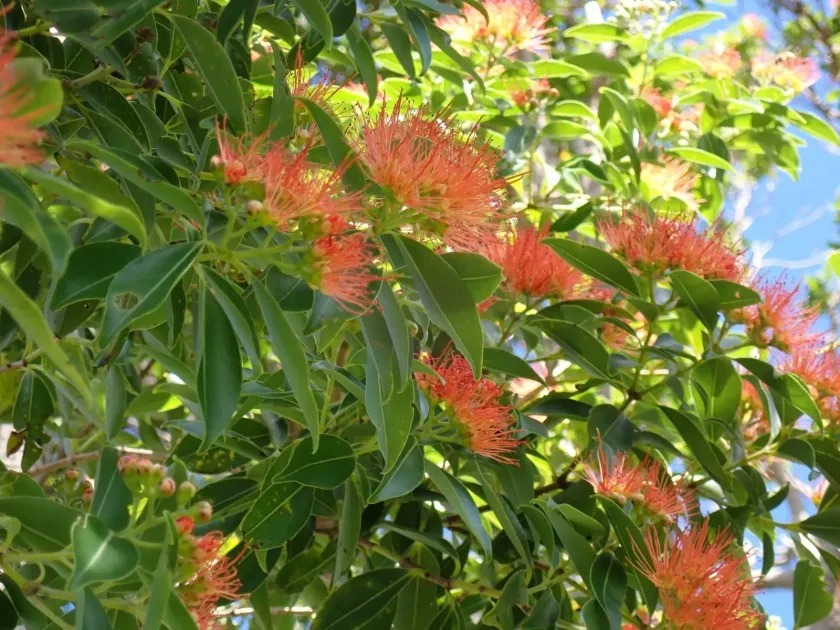
Description
Growing requirements
Metrosideros vitiensis is a robust evergreen species belonging to the Myrtaceae family. Native to the tropical regions of the Pacific, it is known for its resilient nature and its ability to thrive in humid environments where other sensitive species might fail.
Botanically, the plant is characterized by its glossy, leathery leaves and striking inflorescences that feature prominent, colorful stamens. These features make it a prized plant for tropical landscape aesthetics and conservatory collections.
The cultivation of this plant requires a well-draining soil mix that maintains sufficient moisture without becoming waterlogged. A substrate composed of peat, bark, and perlite typically provides the best results for healthy root development.
Climate requirements include high humidity levels and a protected position that provides bright, indirect light. While it can withstand some exposure, it performs best in environments where temperatures stay consistently between 18°C and 25°C.
Economically, Metrosideros vitiensis is primarily valued for its ornamental applications in public and private gardens. Its timber, noted for its density and durability, is occasionally used for small-scale local woodworking projects.
Main diseases and pests
The most common disease threat involves root rot, triggered by poor drainage or excessive watering. Maintaining a strict irrigation schedule is essential for the long-term vitality of the plant.
Insect pests such as scale insects and mealybugs are frequently observed on this species. These pests tend to congregate in leaf axils, necessitating routine inspections of the plant foliage to prevent infestations.
Fungal leaf spots can occur if the foliage remains wet for extended periods in environments with poor air circulation. Improving airflow around the plant canopy is a critical component of integrated pest management.
Nutrient deficiencies can manifest as chlorosis, especially if the soil pH deviates from the preferred slightly acidic range. Regular soil testing and the use of balanced micronutrient fertilizers are recommended.
Environmental stress, including drastic temperature fluctuations or cold drafts, can cause significant leaf drop. Protecting the plant from extreme climate shifts is necessary to ensure consistent growth and flowering success.