
Shining Metrosideros
Metrosideros nitida
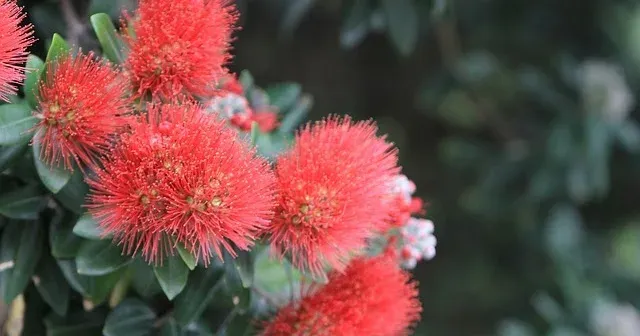
Description
Growing requirements
Shining Metrosideros (Metrosideros nitida) is a perennial evergreen member of the Myrtaceae family. Originally native to specific regions of Oceania, this plant is well-regarded for its glossy, resilient foliage and robust growth habit.
The botanical structure of this species features thick, leathery leaves that reflect sunlight, providing a distinct shimmering effect. In favorable conditions, it develops a dense canopy, making it a popular choice for structured landscape gardening and privacy screens.
Successful cultivation requires well-draining soil that remains moist but never waterlogged. A mixture rich in organic matter, such as compost or peat, is ideal for promoting vigorous root development and overall plant health.
Regarding climate, the plant thrives in mild environments with consistent humidity levels. While it shows some tolerance to coastal conditions, protecting it from hard freezes is essential for maintaining the integrity of its evergreen foliage throughout the year.
Maintenance practices involve balanced fertilization during the primary growth season and formative pruning to control shape. Adequate sunlight is necessary for optimal color and density, though partial shade may be beneficial in extremely hot climates.
Main diseases and pests
Root rot is the most common threat caused by improper watering practices or heavy, clay-based soils. Proper aeration and drainage are the primary defense mechanisms against soil-borne pathogens that target the root system.
Insects like scale insects and mealybugs are frequently observed on this species. These pests often congregate on the stems or leaf undersides, potentially stunting the growth and reducing the aesthetic appeal of the foliage.
Aphid outbreaks can occur during the spring months when new growth is tender. Consistent monitoring of the canopy is vital to prevent these pests from spreading across the plant's dense branches.
Spider mites are a common nuisance in low-humidity environments, leading to leaf discoloration and webbing. Periodic misting of the foliage can help discourage mite populations and maintain plant vigor.
Effective management includes regular inspection and the timely application of targeted horticultural oils or insecticides. Maintaining plant cleanliness and removing dead debris helps lower the pressure from various diseases and insect infestations.