
Metrosideros punctata
Metrosideros punctata
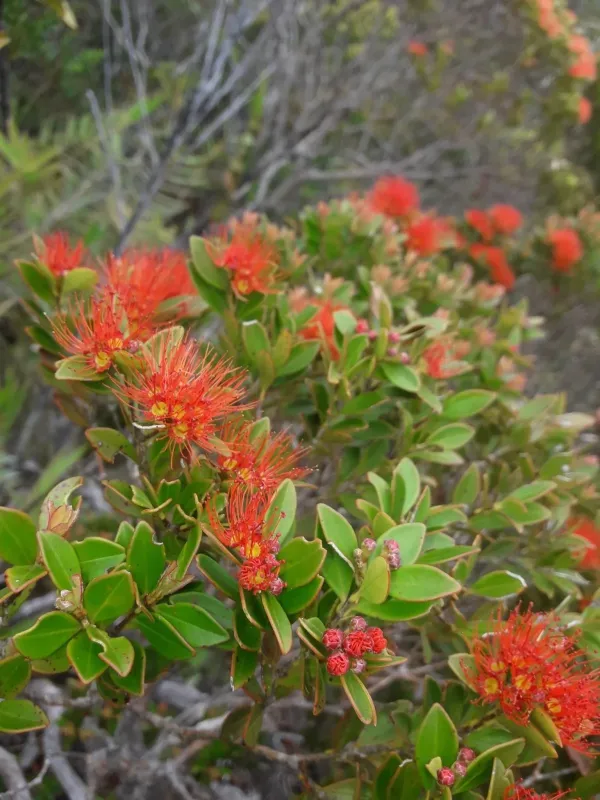
Description
Growing requirements
Metrosideros punctata is a distinctive species within the Myrtaceae family, recognized for its evergreen foliage and robust woody structure. This species is native to specific habitats in New Zealand, where it thrives under maritime climatic influences that offer moderate temperatures throughout the year.
In cultivation, this plant requires well-drained, nutrient-rich soil to ensure proper root development. It is highly sensitive to waterlogging, making proper soil aeration and a reliable drainage system critical components of the site preparation process for both field and container production.
Climatic requirements are specific: Metrosideros punctata performs best in areas with high light intensity and protection from harsh, drying winds. While it enjoys a temperate environment, it lacks significant frost tolerance, necessitating protective measures if the local climate trends toward freezing temperatures.
The agronomic management of this culture involves consistent irrigation during dry spells, coupled with balanced fertilizer applications to support rapid vegetative growth. Water management must be precise to maintain soil moisture without creating the saturated conditions that promote pathogen growth.
Maintenance includes routine pruning to manage tree size and encourage a dense, aesthetically pleasing canopy. Pruning also allows for better light penetration to the inner branches, which is essential for the long-term health and vigor of the specimen in managed landscapes.
Main diseases and pests
The primary pest threats to Metrosideros punctata include scale insects and mealybugs, which tend to colonize the underside of leaves and bark crevices. These pests can significantly weaken the plant by extracting sap and are best controlled through systematic insecticide treatments.
Fungal infections, particularly root rot, pose a major risk if the irrigation regime is not strictly monitored or if soil drainage is compromised. Symptoms typically involve sudden wilting or yellowing of foliage, signaling that the roots are unable to function properly due to decay.
Foliar diseases, such as leaf spot, may appear during periods of high humidity and poor air circulation. Effective management includes the application of fungicides and removing affected branches to prevent the spread of spores throughout the plant structure.
Nutrient deficiencies, specifically iron chlorosis, can occur in alkaline soils, preventing the plant from synthesizing chlorophyll effectively. Correcting soil pH or applying chelated micro-nutrients is a standard agronomic practice to rectify this condition and restore leaf greenness.
Integrated pest management, including regular crop inspections and the promotion of a clean growing environment, is essential for mitigating damage. By maintaining optimal canopy ventilation and soil health, growers can significantly reduce the need for intensive chemical interventions.