
Metrosideros laurifolia
Metrosideros laurifolia
Description
Growing requirements
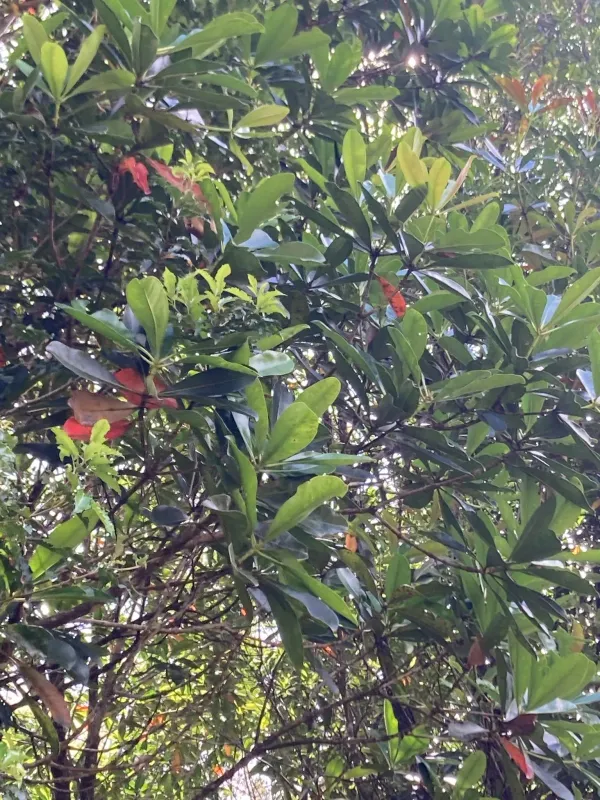
Metrosideros laurifolia is a distinctive evergreen species belonging to the Myrtaceae family. Known for its leathery, laurel-like leaves, this plant is a valued specimen in botanical collections and tropical landscape design.
Native to the Pacific Islands, particularly New Caledonia, it thrives in warm, humid tropical regions. It has adapted to thrive in rich, well-draining soils that offer consistent moisture without becoming waterlogged.
Cultivation requirements necessitate bright, indirect sunlight to ensure healthy growth and dense foliage. Direct exposure to intense midday sun, especially in arid climates, should be avoided to prevent leaf scorch and damage.
The plant requires moderate temperatures, ideally remaining within the range of 18°C to 25°C. In regions where temperatures drop significantly, cultivation must occur in greenhouses or containers, as the plant is not frost-tolerant.
Agrotechnical practices include regular watering and the application of balanced fertilizer during the peak growth season. Proper pruning is essential to maintain the desired shape and promote bushy growth in a garden setting.
Main diseases and pests
Common pests affecting Metrosideros laurifolia include scale insects and spider mites. These pests thrive in dry environments and can cause significant damage to foliage if not monitored and treated promptly.
Fungal diseases primarily result from poor drainage or excessive soil moisture, leading to root rot. If the roots remain saturated for extended periods, the plant’s vascular system fails, causing rapid decline.
Management strategies involve rigorous sanitation, such as removing infested plant debris and ensuring adequate ventilation within the canopy. Regular monitoring is key to detecting pest infestations before they spread.
Chemical control may involve the use of horticultural oils or specialized insecticides for stubborn pest populations. For fungal issues, it is recommended to apply copper-based fungicides or systemic treatments as directed by an agronomist.
Overall, maintaining the plant’s health through balanced irrigation and nutrient management is the best defense against pests and diseases. Healthy specimens grown in optimal conditions demonstrate high resistance to typical biological threats.