
Metrosideros polymorpha
Metrosideros polymorpha
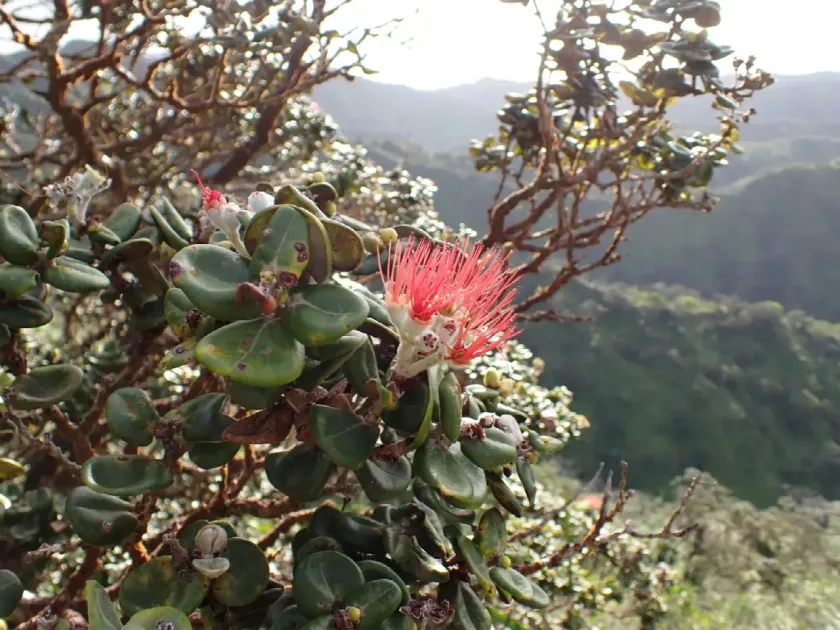
Description
Growing requirements
Metrosideros polymorpha, commonly known as Ohia lehua, is a vital member of the Myrtaceae family, native to the Hawaiian Islands. It is highly valued for its ecological significance and its ability to thrive in diverse volcanic environments, ranging from coastal lowlands to alpine zones.
The cultivation of this plant requires well-draining soil with a pH range between 5.5 and 6.5. It thrives in high-moisture environments but cannot tolerate waterlogged conditions. Ensuring a robust drainage system is essential to prevent root rot in potted or garden-grown specimens.
Regarding climate, the plant demands bright, direct sunlight to maintain its foliage density and encourage the characteristic red inflorescences. It is sensitive to sudden drops in temperature and requires protection from frost, making it ideal for greenhouses in non-tropical climates.
Agricultural management includes regular fertilization during the growing season using a balanced, low-salt nutritional mix. Periodic pruning is necessary to maintain shape and promote aeration within the dense canopy, which reduces the risk of fungal infections.
In landscaping, it serves as a keystone species for biodiversity and attracts pollinators. Its wood has been historically significant in Hawaiian culture, though modern usage is primarily focused on ornamental gardening and forest restoration projects.
Main diseases and pests
The most devastating threat to Metrosideros polymorpha is Rapid Ohia Death (ROD), caused by fungal pathogens Ceratocystis lukuohia and Ceratocystis huliohia. These pathogens invade the xylem, disrupting water flow and killing the tree rapidly.
Pests such as scale insects and mealybugs can compromise the plant's vigor. Regular inspection of the undersides of leaves and stems, combined with the application of horticultural oils, is recommended to manage populations.
Root diseases, specifically those caused by overwatering, are common in indoor or containerized settings. These conditions often lead to secondary infections by opportunist fungi that further weaken the tree's immune response.
Nematodes in the soil can restrict root development, especially in nursery settings. Using sterilized potting media and avoiding the introduction of soil from unknown sources are essential preventive measures for nursery growers.
Environmental stress, including prolonged drought or physical injury, can make the tree more susceptible to infestation and disease. Maintaining a stable microclimate and minimizing mechanical damage are the best defenses against biological threats.