
Metrosideros bartlettii
Metrosideros bartlettii
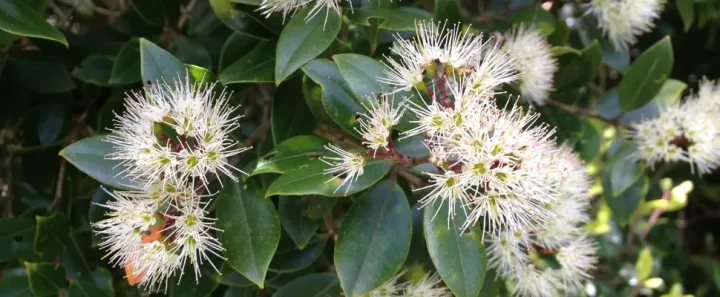
Description
Growing requirements
Metrosideros bartlettii is a rare, critically endangered tree species belonging to the Myrtaceae family. It is endemic to a very restricted area in the Northland region of New Zealand.
The plant thrives in humid, subtropical conditions. In its native habitat, it grows on rocky slopes and within dense forests where moisture levels are high and temperatures remain consistently mild throughout the year.
Soil requirements are quite specific; it demands well-drained, slightly acidic soil rich in organic matter. Waterlogged soils are detrimental to the root health of this species, requiring careful management of site conditions.
Botanically, it is an evergreen tree characterized by its distinct white blossoms. Unlike many other Metrosideros species that exhibit vibrant red flowers, the Bartlett's rata is unique in its floral presentation.
Cultivation is largely limited to botanical gardens and conservation nurseries. These controlled environments are essential for protecting the species from extinction and conducting further horticultural research.
Main diseases and pests
The most significant biological threat to this species is the fungal pathogen Austropuccinia psidii, commonly known as myrtle rust. It causes severe damage to new leaves, stems, and flowers, hindering natural regeneration.
Competition from invasive plant species poses a constant risk in the wild. These invasives can outcompete the slower-growing Metrosideros bartlettii for vital space, sunlight, and nutrients within the ecosystem.
Insects and general pests can compromise the physical integrity of the trees. Regular phytosanitary monitoring is necessary in nursery settings to ensure that the trees remain healthy and vigorous.
Anthropogenic pressure and environmental shifts also impact the limited populations. Habitat degradation directly contributes to the decline of individual tree health and overall species resilience.
Conservation strategies focus on managing these threats through site protection, quarantine measures against pathogens, and ex-situ conservation programs to ensure the species' long-term survival.