
Metrosideros fulgens
Metrosideros fulgens
Description
Growing requirements
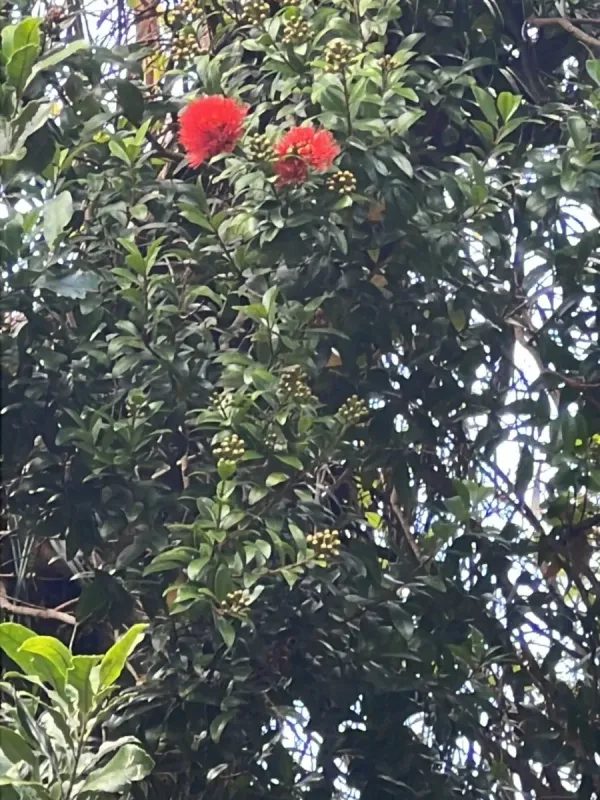
Metrosideros fulgens, commonly known as the scarlet rata, belongs to the Myrtaceae family. This evergreen climber or shrub is native to New Zealand, where it naturally inhabits forested areas and thrives in humid environments.
The botanical structure of the plant features leathery, opposite leaves and vivid, glowing flowers. The striking appearance of the blooms is attributed to long, prominent stamens, which serve as a hallmark of this genus and make it a popular ornamental choice.
Cultivation requires specific climatic conditions, as the plant is not frost-tolerant. In many regions, it is cultivated in greenhouses or as a potted plant, as it demands stable temperatures and protection from cold winds.
Soil quality is paramount for successful growth. The substrate should be well-draining, rich in organic matter, and slightly acidic to ensure that the root system remains healthy and avoids fungal infections.
Metrosideros fulgens is primarily utilized in ornamental horticulture. Its aesthetic value makes it a centerpiece in conservatories and botanical gardens, and in its native range, it is valued for its contribution to native biodiversity.
Main diseases and pests
Pests such as scale insects can become a significant issue, attaching themselves to the stems and leaf undersides. Early detection and the application of horticultural oils can effectively manage these populations.
Mealybugs are another common threat, often settling in the leaf axils. Their presence weakens the plant and requires systemic insecticides or careful manual removal to prevent further infestation.
Root rot is the most serious threat, usually resulting from poor drainage or excessive irrigation. Ensuring a high-quality drainage system is the most effective preventative measure against this condition.
Fungal leaf spot can develop when air circulation is inadequate, especially in humid and crowded greenhouse conditions. Pruning for better airflow is recommended to keep the foliage healthy and dry.
Nutritional deficiencies can lead to yellowing leaves, also known as chlorosis. Providing a balanced, micronutrient-enriched fertilizer program is essential for maintaining the vibrant green color of the leaves.