
Metrosideros
Metrosideros hybrids
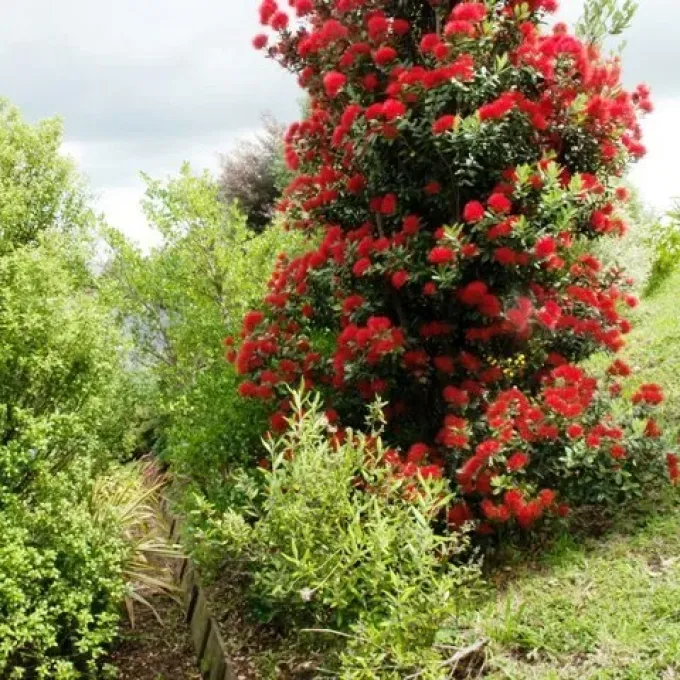
Description
Growing requirements
Metrosideros is a genus of evergreen trees and shrubs belonging to the Myrtaceae family. Native to tropical and subtropical regions, particularly New Zealand, these plants are highly valued for their vibrant, brush-like flowers.
The crop thrives in temperate or subtropical climates. It requires consistent light and protection from hard frosts, as most hybrids are sensitive to temperatures dropping below freezing point.
For optimal growth, Metrosideros needs well-draining, slightly acidic soil. Overwatering or poor drainage often leads to root suffocation, which is a common failure point in its cultivation.
The plant demands high light levels to sustain its foliage and promote flowering. In indoor settings, it should be placed in the brightest possible location to prevent legginess and poor development.
Economically, this plant is primarily utilized in the ornamental industry. It is widely grown as a specimen plant in landscapes within warm regions or as a premium potted plant in colder climates.
Main diseases and pests
Common pests include spider mites and scale insects, which frequently attack the plant when ambient humidity levels are kept too low, especially during winter months.
Root rot caused by fungal pathogens such as Phytophthora is a major threat. It is typically triggered by stagnant water and poor soil aeration in the container.
Mealybugs are another persistent pest that can hide in the crevices of the branches, requiring diligent monitoring and prompt chemical or mechanical intervention.
Fungal leaf spots can occur under conditions of high humidity with poor ventilation. Ensuring adequate airflow between plants is a crucial preventive measure.
Integrated pest management, including periodic inspections and the use of insecticidal soaps, is effective in maintaining the health of Metrosideros collections.