
Metrosideros sclerocarpa
Metrosideros sclerocarpa
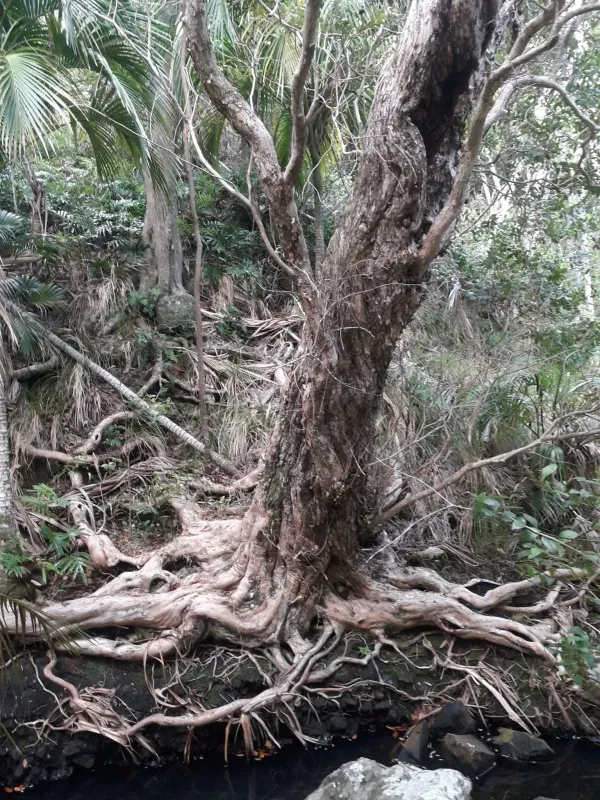
Description
Growing requirements
Metrosideros sclerocarpa is a distinct tree species belonging to the Myrtaceae family. It is an endemic plant native exclusively to Lord Howe Island, where it thrives in specific humid forest ecosystems.
The plant requires a stable subtropical climate, characterized by high atmospheric humidity and mild temperatures throughout the year. It lacks frost tolerance and is suited for greenhouse cultivation in non-native regions.
Soil requirements for this species include a well-draining, nutrient-rich substrate. A slightly acidic pH balance is ideal, reflecting the volcanic and organic composition of its native island habitat.
Cultivation practices focus on precise irrigation management. The root system is highly susceptible to hypoxia if the soil becomes waterlogged, making a high-quality drainage layer essential for container-grown specimens.
Metrosideros sclerocarpa is prized in botanical collections for its unique morphological traits and ecological significance. Proper horticultural care involves protecting it from extreme temperature fluctuations and ensuring adequate light levels.
Main diseases and pests
Root rot caused by fungal pathogens is the primary threat to the vitality of Metrosideros sclerocarpa in cultivation. This is typically triggered by overwatering or poor drainage systems in the growing container.
Pests such as scale insects are common in sheltered environments. They latch onto the dense foliage, extracting plant sap and leading to reduced vigor and stunted growth if left unmanaged.
Spider mites represent a secondary threat, particularly when air humidity drops below the levels required by this species. Regular misting and proper ventilation are effective preventative measures.
Managing the health of this species requires a combination of fungicide application and strictly controlled agronomic practices. Early intervention is crucial to prevent the spread of diseases within a collection.
Due to its highly restricted natural distribution, conservation and careful monitoring are key aspects of its management. Maintaining high environmental standards is the best defense against biotic stressors.