
Pear-fruited mallee
Eucalyptus pyriformis Turcz.
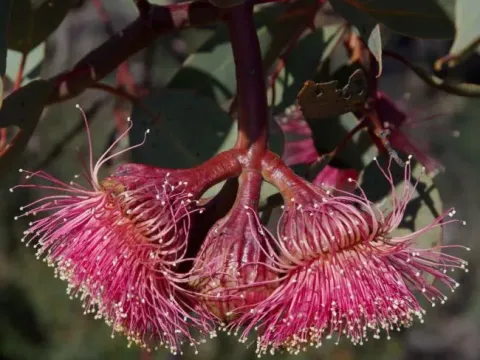
The pear-fruited mallee (Eucalyptus pyriformis) is a distinctive member of the Myrtaceae family. It is a small to medium-sized shrub or tree known for its large, conspicuous flowers and woody, pear-shaped fruits.
What the section contains
Pear-fruited mallee
Originating from the arid regions of Western Australia, this species is highly specialized for survival in harsh, sandy environments with low annual rainfall.
This crop thrives in full sun exposure. It requires extremely bright light conditions to maintain its dense foliage and to stimulate the heavy flowering cycles that make it a popular ornamental plant.
Soil requirements are strict regarding drainage. It prefers deep, sandy, or gravelly soils that do not hold excess water. Heavy clay soils are generally unsuitable unless extensively amended with drainage materials.
Climate adaptation focuses on warm to hot, dry summers. While it can tolerate slight frost once established, it is sensitive to prolonged cold and wet conditions, which can lead to rapid decline in the plant's health.
The primary threats to Eucalyptus pyriformis include root rot pathogens like Phytophthora, which proliferate in poorly drained soils or during periods of excessive irrigation.
Pest pressure is often dominated by sap-sucking insects, including scale insects and mites, which can cause leaf yellowing and premature shedding of the foliage.
Larval stages of certain wood-boring beetles can pose a severe threat, as they tunnel through the stems, weakening the structural integrity of the tree over time.
Management strategies involve keeping the surrounding area free of debris and ensuring good airflow to prevent the buildup of fungal spores in the canopy.
Integrated pest management, including monitoring and localized applications of horticultural oils, is recommended to control pest populations without harming beneficial insects.