
Rainbow Eucalyptus
Eucalyptus deglupta Blume
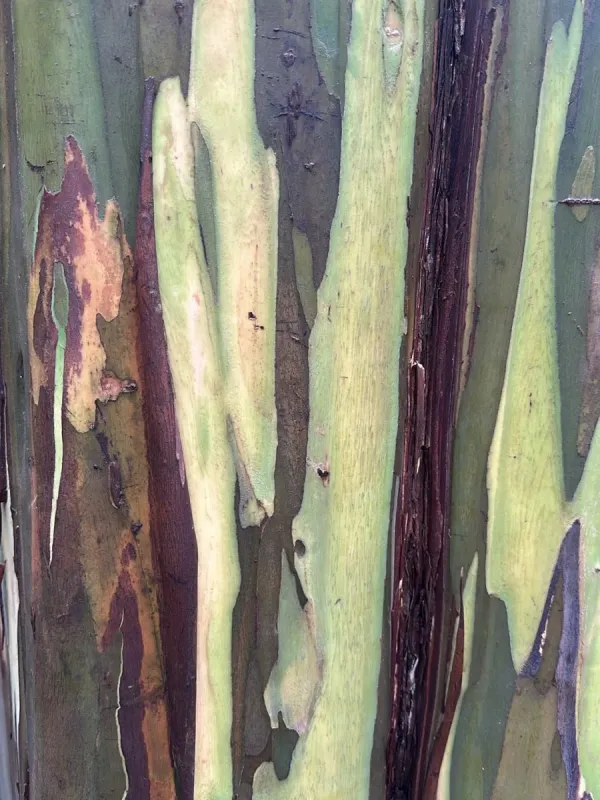
Description
Sowing dates
Propagation of Eucalyptus deglupta is primarily conducted in nurseries using fresh seeds, as they have a relatively short shelf life and must be sown promptly.
The seeds require a sterilized, well-draining medium with consistent moisture and stable tropical temperatures, ideally between 22 and 26 degrees Celsius.
Seedlings are pricked out into individual containers once the first true leaves emerge, ensuring they have sufficient space to develop a strong, healthy root system.
A hardening-off period is essential before field transplanting to allow the saplings to acclimate to environmental conditions and ensure high survival rates.
Transplanting into the plantation should be timed with the onset of the rainy season to maximize establishment potential without excessive reliance on supplemental irrigation.
Growing requirements
Rainbow Eucalyptus belongs to the Myrtaceae family and is unique for being the only eucalyptus species naturally found in the northern hemisphere, specifically in tropical regions.
The species requires a tropical climate with high humidity and significant annual rainfall; it is strictly non-frost tolerant and will perish in temperatures near freezing.
Deep, fertile, and well-draining soils are mandatory, as the root system is sensitive to waterlogging and compaction which can lead to fungal issues and stunted growth.
It is a highly light-demanding tree that requires full sun exposure to maintain its rapid growth rate and develop the characteristic multicolored bark patterns.
Wind protection is necessary during the early stages of establishment, as young trees possess brittle stems that can be damaged by strong tropical storm winds.
Yield
This species is globally recognized for its exceptional growth rate, often outperforming other commercial forestry species in tropical conditions by a significant margin.
Plantations can reach harvestable timber size within 10 to 15 years, offering a highly efficient cycle for fiber and industrial wood production compared to temperate species.
The primary economic use is the production of pulpwood for the paper industry, due to its high-quality fiber characteristics that are highly valued in global markets.
Beyond pulp, the timber is utilized for furniture, flooring, and decorative veneer, providing additional value-added opportunities for plantation managers.
High biomass accumulation makes it an excellent candidate for reforestation projects, contributing to carbon sequestration and land rehabilitation in degraded tropical zones.
Main diseases and pests
Root rot caused by various soil-borne fungi is a major concern, particularly in plantations where soil drainage is inadequate or water remains stagnant for too long.
Leaf-feeding insects and various wood-boring beetles can cause localized damage, impacting the aesthetic and structural quality of the timber if left unchecked.
Pathogen management is critical; strict phytosanitary measures are needed to prevent the introduction of specialized eucalyptus pests from other global regions.
Nutrient deficiencies or improper soil pH can weaken trees, making them more susceptible to pests and environmental stressors, thereby reducing overall plantation yield.
Integrated pest management, including regular monitoring and maintaining proper spacing to promote air circulation, is the most effective approach for tree health.
Harvesting
Harvesting is typically conducted via clear-felling once trees reach the optimal diameter for the intended industrial application, usually determined by wood density and volume.
Modern mechanized harvesting is standard practice to ensure efficiency and minimize damage to the soil structure during the removal of the plantation crop.
Post-harvest management involves the removal of slash and debris to reduce the risk of fire and to prepare the site for either replanting or natural regeneration.
Quick transport of harvested logs is vital to maintain wood quality, as the timber's high moisture content makes it susceptible to staining and decay in tropical heat.
Sustainable plantation practices often include soil testing and rejuvenation after harvesting to ensure the site remains productive for subsequent planting cycles.