
Shining gum
Eucalyptus nitens (H. Deane & Maiden) Maiden
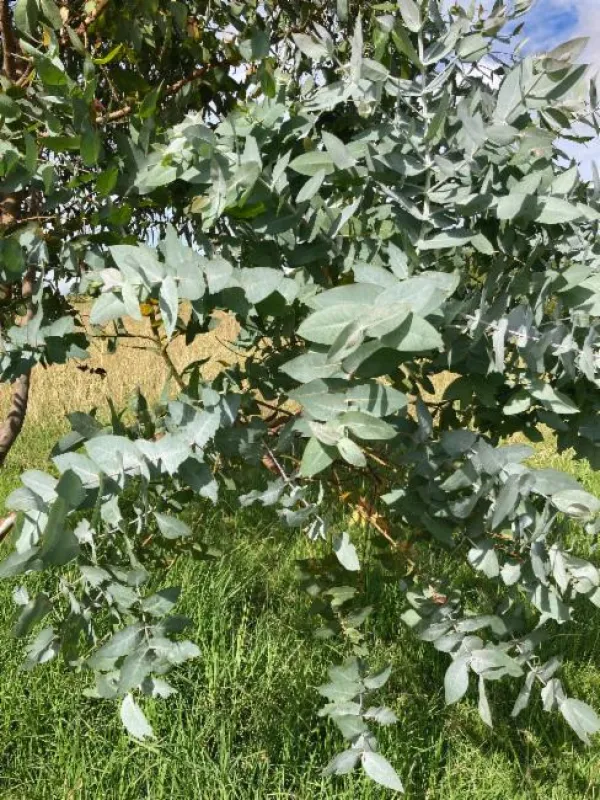
Description
Sowing dates
Shining gum (Eucalyptus nitens), a member of the Myrtaceae family, is typically propagated from seed in commercial nurseries. Because the seeds are tiny, they require careful sowing in a high-quality, well-draining germination medium to ensure success.
The germination process must be strictly managed with controlled temperature and humidity levels. Once the seedlings reach a height of approximately 20–30 cm, they must be hardened off before being transferred to the field.
Planting in the field is usually scheduled after the risk of frost has passed. Early spring is often the preferred time, as it allows the trees to establish their root systems before the onset of hot, dry summer months.
Planting density is carefully calculated based on the intended use of the wood. For pulpwood plantations, a density of 1200–1600 stems per hectare is standard to maximize straight, clear wood production.
Site preparation involves deep ripping the soil to break up compaction, which ensures that roots can penetrate deeply, leading to healthier and more stable trees in the long term.
Growing requirements
Originating from the cool, high-altitude regions of south-eastern Australia, Eucalyptus nitens is renowned for its cold tolerance. It is one of the hardier eucalypt species and can survive moderate frosts that would kill other varieties.
The tree thrives in deep, fertile soils that provide excellent drainage. While it requires consistent moisture to maintain its rapid growth, it will not tolerate waterlogged conditions, which lead to root rot and death.
Sunlight is a crucial requirement for the health of these trees. As a light-demanding species, they grow best in full sun; shade from surrounding vegetation can lead to poor form and stunted growth.
The species prefers cool-temperate climates with well-distributed rainfall throughout the year. It does not perform well in extremely arid environments unless irrigation systems are implemented to supplement water needs.
Regular maintenance during the first two to three years is essential. This includes weed control, which prevents competition for nutrients and moisture, allowing the trees to dominate the site quickly.
Yield
Eucalyptus nitens is globally recognized for its exceptional growth rate. Under ideal site conditions, plantations can yield between 20 and 30 cubic meters of wood per hectare per year, making it a highly profitable forestry asset.
The wood produced is light-colored, uniform in density, and highly prized for pulp and paper manufacturing. It is also increasingly used for high-quality furniture, veneer, and engineered wood products.
Beyond wood, the species is investigated for its potential in biomass production and essential oil extraction. The economic rotation length typically ranges from 15 to 25 years depending on the management intensity.
Productivity is significantly enhanced through the use of genetically improved seedlings or clones that demonstrate superior vigor and disease resistance compared to standard open-pollinated stock.
Proper harvest scheduling ensures that the maximum amount of usable wood is extracted while allowing for subsequent re-growth or site replanting, maintaining continuous forest output.
Main diseases and pests
The most significant biological threats to shining gum plantations are leaf-eating insects, such as chrysomelid beetles, which can cause severe defoliation and slow down the growth rate significantly.
Pathogenic fungi, particularly those causing leaf spot and stem cankers, can thrive in humid conditions, especially when trees are planted in areas with poor airflow and excessive stand density.
Root pathogens can also pose a risk if the soil structure is compromised or if there is standing water in the field. Careful selection of planting sites with good slope or drainage is a primary prevention method.
Wildlife damage, such as deer and small mammals browsing on young trees, can be a major challenge. Fencing and other protective measures are often required during the early establishment phase of the plantation.
- Defoliating insects
- Leaf spot fungi
- Root decay pathogens
- Mammalian browsing damage