
Maiden's gum
Eucalyptus globulus Labill. subsp. maidenii (F. Muell.) J. B. Kirkp.
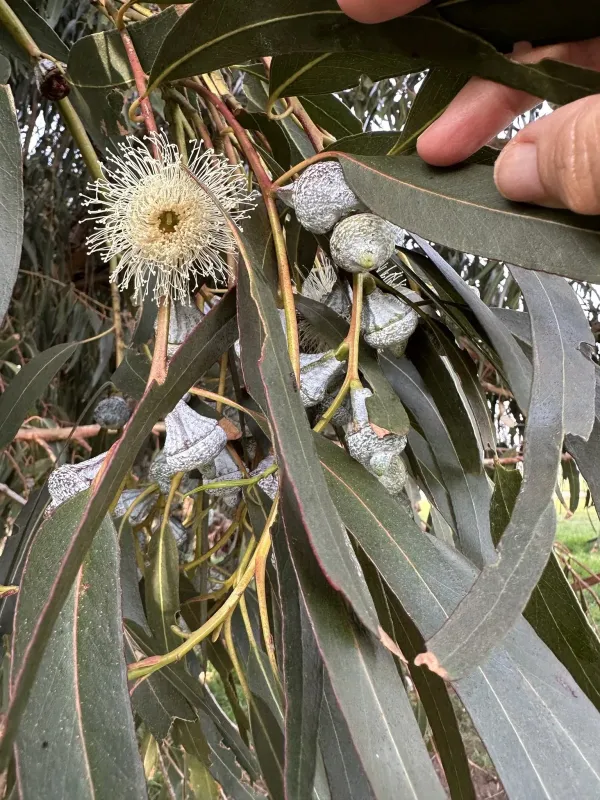
Description
Sowing dates
Maiden's gum (Eucalyptus globulus subsp. maidenii) is a member of the Myrtaceae family. It is a fast-growing, evergreen tree species highly valued in forestry and reforestation programs.
Propagation is primarily conducted via seeds within nursery settings. Seeds are sown in trays during late winter to early spring, ensuring a controlled environment for germination.
Optimal germination requires constant warmth between 20–22°C. The seeds are light-sensitive and should be sown on the surface of the growing medium without heavy covering.
Seedlings are pricked out into individual containers once they develop their first true leaves. Proper hardening-off is essential before transplanting the trees into the field to ensure survival.
Field planting occurs during the start of the rainy season or the beginning of spring, using a standard planting density determined by the intended end use of the timber.
Growing requirements
This species thrives in mild, temperate to subtropical climates with adequate rainfall. While it has moderate frost tolerance, severe or prolonged freezes can cause significant damage to young plants.
Deep, fertile, and well-drained soils are essential for robust growth. It performs poorly in waterlogged soils, making site selection with adequate natural or artificial drainage critical.
Maiden's gum is highly light-demanding. Shade will result in spindly growth and reduced overall health, so selecting sunny, open sites is mandatory for successful plantation establishment.
High nutrient requirements, particularly for nitrogen and phosphorus, define the early growth stages. Regular fertilization in the first two years is recommended to maximize biomass accumulation.
Water management is vital during the establishment phase. Irrigation systems are often deployed in drier regions to ensure the young root system penetrates deeply into the soil profile.
Yield
The primary economic focus of this species is timber production. The wood is dense, durable, and highly sought after for construction, furniture making, and structural engineering.
The pulp and paper industry utilizes this species extensively due to the high quality and yield of cellulose extracted from its wood fibers compared to other eucalyptus varieties.
The foliage is a source of high-quality essential oils used in pharmaceutical products, sanitizers, and cosmetics. Sustainable harvesting of leaves can provide a secondary income for foresters.
Environmental benefits include soil stabilization and water table management. Due to its high transpiration rate, Maiden's gum is often used to reclaim degraded or swampy lands.
Industrial plantations can achieve high annual yields, making this species a sustainable long-term investment for landowners in suitable geographic areas.
Main diseases and pests
Fungal diseases, especially leaf spot pathogens like Mycosphaerella, represent a significant threat to plantation health, particularly during humid and wet growing seasons.
Insects such as the eucalyptus weevil (Gonipterus scutellatus) can cause severe defoliation. Persistent infestations significantly reduce the growth rate and overall timber quality.
Root rot caused by Phytophthora species is a major concern, particularly in poorly drained soils. Prevention through proper site selection and soil management is the primary control strategy.
Young trees are vulnerable to physical damage from wildlife and rodents, which can girdle the stems and lead to tree mortality or secondary fungal infections through wounds.
Integrated Pest Management (IPM) practices, including the use of biological control agents and targeted applications of insecticides, are essential for maintaining the productivity of plantations.