
Snow gum
Eucalyptus pauciflora Sieber ex Spreng.
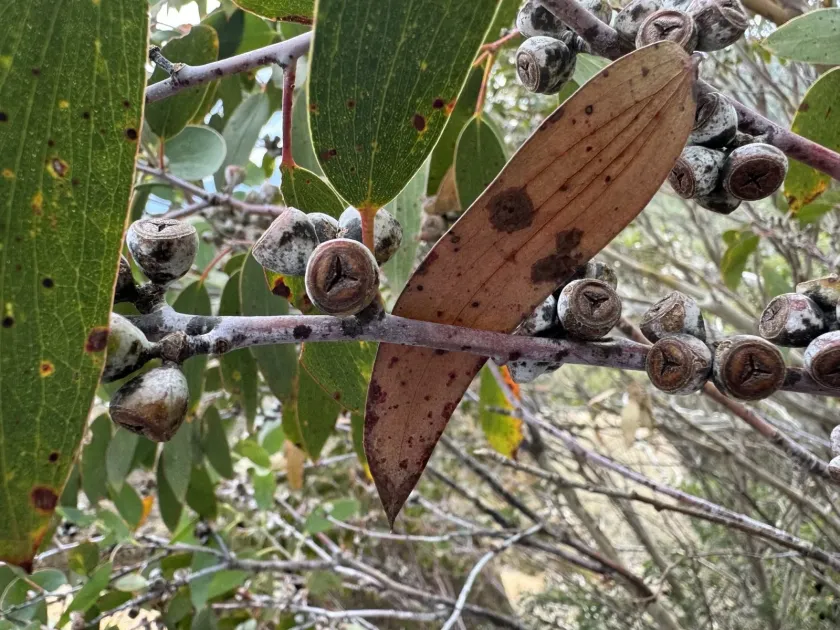
Description
Growing requirements
Snow gum (Eucalyptus pauciflora) is a distinctive evergreen tree belonging to the Myrtaceae family. Native to the alpine and sub-alpine regions of southeastern Australia, it has evolved to thrive in cold climates.
This species is highly regarded for its exceptional frost tolerance. Unlike many other eucalyptus varieties, it can withstand temperatures significantly below zero, making it a valuable subject for cold-climate forestry and ornamental landscaping.
The ideal site for this culture requires well-drained soil, preferably of a sandy or loamy texture. It does not tolerate waterlogged conditions, so ensuring proper drainage is vital for preventing root system degradation.
Full sun exposure is essential for the development of healthy foliage and sturdy wood. Lack of light can cause the tree to become sparse and susceptible to mechanical damage from wind and snow.
Agricultural practices involve mulching to preserve soil moisture and routine weeding during the initial development phase. Proper site preparation before planting is key to establishing a robust root structure.
Yield
The primary economic value of Eucalyptus pauciflora lies in its timber, which is used for fuel, light construction, and furniture manufacturing. Its durability and interesting grain patterns are highly appreciated.
The foliage is an important source of essential oils. These oils, rich in cineole, are widely utilized in the pharmaceutical and cosmetic industries for their antiseptic and soothing properties.
When managed as a plantation crop, biomass production can be optimized through selective harvesting and proper spacing. The tree responds well to coppicing, allowing for sustainable long-term yield.
Ecologically, the species is often planted for land rehabilitation and as a windbreak. Its dense canopy and ability to stabilize soil make it a preferred choice for environmental protection projects.
Leaf harvesting is generally conducted in controlled cycles. Sustainable harvesting practices ensure the longevity of the trees while providing a consistent supply of raw material for chemical extract production.
Main diseases and pests
Fungal diseases, including leaf spot and various blights, are the most common issues during periods of high humidity. Maintaining airflow through the canopy is a critical preventive measure.
Root rot caused by *Phytophthora* species can be a major threat, particularly in poorly drained soils. Adhering to strict moisture management and avoiding over-fertilization are standard control protocols.
Pests such as eucalyptus weevils and leaf beetles can cause significant defoliation. Integrated pest management (IPM) strategies, including biological control, are recommended to maintain tree vigor.
Scale insects can occasionally infest the stems, weakening the plant. Early detection through regular field inspections allows for targeted chemical or mechanical interventions to manage the population.
Overall, maintaining tree health through appropriate site selection and care is the most effective way to minimize the impact of pests and diseases in any eucalyptus cultivation operation.