
Narrow-leaved peppermint
Eucalyptus radiata Sieber ex DC.
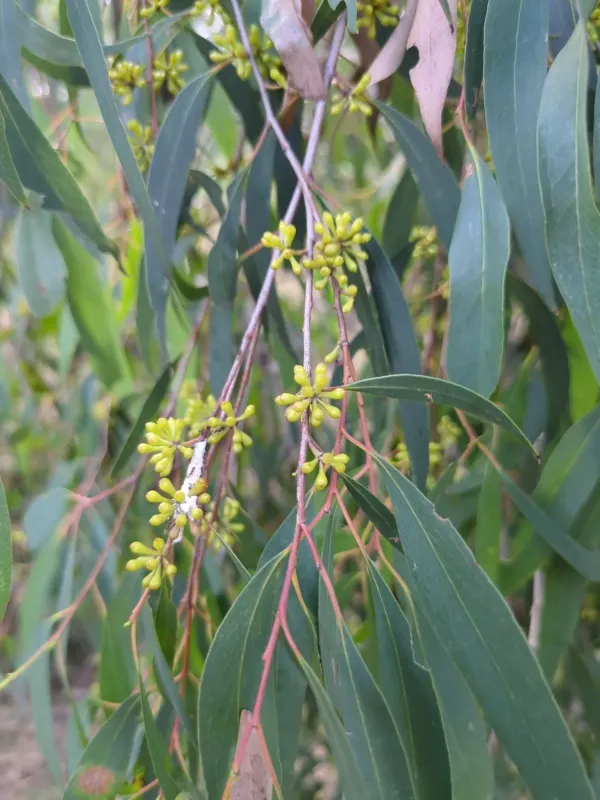
Description
Sowing dates
Eucalyptus radiata, commonly known as the narrow-leaved peppermint, belongs to the Myrtaceae family. In agricultural practices, it is typically propagated from high-quality seeds in specialized greenhouse facilities to ensure uniform germination.
Seeds are sown in late winter or early spring, requiring controlled temperatures between 20 and 25 degrees Celsius for optimal results. Using a well-draining, slightly acidic soil substrate is essential for preventing early-stage mortality in seedlings.
Once seedlings develop two pairs of true leaves, they are transplanted into individual containers to strengthen the root system before final field planting. Field establishment must be timed to avoid the risk of late frosts, as young plants are vulnerable to cold damage.
Planting density is determined by the intended final product. For biomass production, higher densities are encouraged to maximize leaf volume per hectare. Sites should be chosen for maximum sunlight exposure, as shade significantly restricts growth.
The first few months after field transplantation are critical. Consistent irrigation and wind protection are necessary to help young trees establish a robust root system and maintain steady growth rates during the initial development phase.
Growing requirements
Eucalyptus radiata is native to Australia and thrives in temperate climates with sufficient rainfall. While it has some tolerance for moderate cold, commercial plantations in cooler regions often require protective measures during winter months.
The species has specific soil requirements, preferring well-aerated, sandy-loam soils with a pH ranging from 5.5 to 6.5. Poor drainage is the most significant limiting factor, as it can lead to root pathogens and stunted metabolic function.
Adequate moisture is required during the active growing season. Although mature trees are relatively drought-tolerant, commercial leaf production relies on maintaining soil water availability to prevent premature stress, which alters the plant's chemical profile.
Nutrient management involves applying balanced NPK fertilizers in early spring to support vigorous shoot development. Organic matter incorporation into the soil before planting can significantly enhance water retention and nutrient availability.
Exposure to full sunlight is essential for the synthesis of volatile compounds. High levels of solar radiation directly correlate with higher yields of essential oils, making the choice of location a strategic factor for the economic success of the plantation.
Yield
The primary yield from Eucalyptus radiata plantations is the biomass of leaves and young stems, which are harvested for steam distillation. High-quality oil production is the core economic goal of this agricultural crop.
Harvesting for essential oil production generally begins 3 to 4 years after planting. Management practices such as coppicing—cutting the stem close to the ground—promote vigorous regrowth and extend the productive life of the plantation.
Average essential oil yields range between 2% and 3% of the dry biomass. The chemical consistency of the oil, rich in cineole, is highly dependent on keeping the plants in peak physiological condition through optimized irrigation and nutrient cycles.
Modern plantations utilize mechanized harvesting equipment to streamline operations. Regular pruning schedules are implemented to maintain the canopy in a state that favors vegetative regrowth over flowering, maximizing the terpene concentration in leaves.
Consistent plantation monitoring allows for the adjustment of harvest cycles based on growth rates. This enables producers to achieve multiple harvests per season in warmer climates, significantly increasing the total annual output of essential oil.
Main diseases and pests
Eucalyptus radiata is generally robust, but it can be susceptible to pests such as the eucalyptus snout beetle. These insects feed on leaves and can reduce the overall photosynthetic capacity of the trees if not managed promptly.
Fungal diseases are a major concern, particularly root rot caused by Phytophthora species. This risk is greatly increased in waterlogged or poorly drained soils, making site preparation the most important preventative measure against these diseases.
Powdery mildew can occur in dense, high-humidity planting environments. Visible as a white coating on the leaves, this fungal disease disrupts photosynthesis and can decrease oil quality if the infestation is widespread.
Minor pests like aphids or scale insects may occasionally infest new growth. Integrated Pest Management (IPM) strategies, including biological controls or targeted soft chemicals, are preferred to ensure that the end product remains free of synthetic residues.
Routine inspection of the bark and foliage helps detect early signs of pathogens. Prompt removal of infected branches or trees prevents the spread of disease, maintaining the overall health and productivity of the agricultural operation.
Harvesting
Harvesting must be conducted during dry weather to ensure that the moisture content of the leaves is minimized, which improves the efficiency and quality of the subsequent steam distillation process.
The ideal time for harvesting is early morning, when the essential oil concentration in the leaf tissue is at its highest point. Rapid transportation to the distillery is crucial to prevent degradation or loss of volatile compounds.
Technically, harvesting involves gathering the leafy terminal shoots. This material is collected in bulk and processed quickly to prevent self-heating, which occurs if the green biomass is left in large, unventilated piles for too long.
Post-harvest handling is as important as the cultivation itself. Properly stored, fresh biomass retains its chemical profile, ensuring that the extracted essential oil meets the standards required by the cosmetic and pharmaceutical industries.
By scheduling harvests strategically, producers can cycle the growth of the canopy to ensure year-round supply where climate allows. This consistent renewal keeps the plants in a vegetative state, promoting optimal biomass production year after year.