
Manna gum
Eucalyptus viminalis Labill.
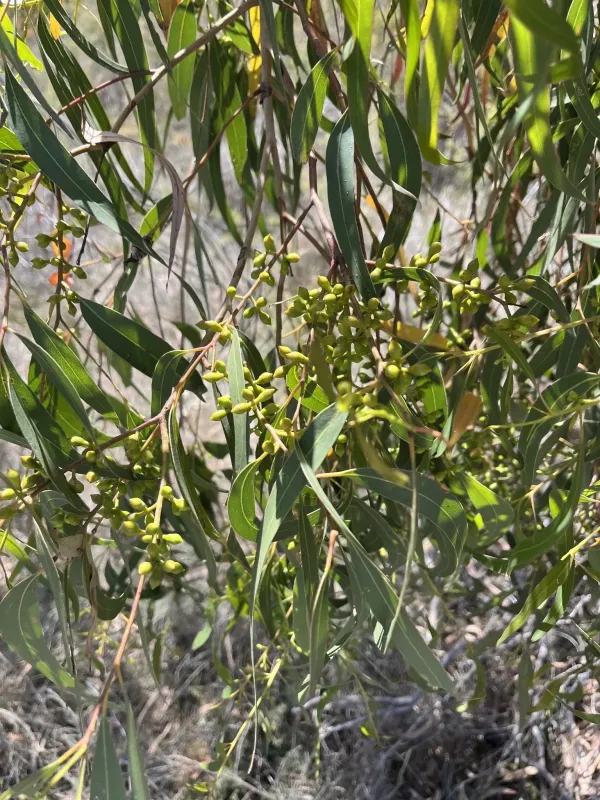
Description
Sowing dates
Sowing Manna gum seeds in nurseries usually takes place during late winter or early spring to ensure the seedlings are robust by the start of the planting season.
The seeds require pre-germination stratification to enhance their viability, and they should be sown in a well-draining, peat-based seed-starting mix.
Once germinated, seedlings need bright light and consistent but controlled irrigation to prevent the stems from becoming weak or leggy.
Field planting is ideally conducted once the risk of severe frost has passed, as younger plants are more susceptible to cold damage.
- Ensure optimal spacing (usually 2-3 meters) to allow for sufficient air circulation.
Growing requirements
Manna gum (Eucalyptus viminalis) belongs to the Myrtaceae family and is recognized for its rapid growth rate and adaptability to various temperate climates.
The species thrives in deep, fertile, and well-drained soils, although it demonstrates a remarkable ability to establish itself in diverse soil profiles.
It prefers full sun exposure and is intolerant of shade, necessitating open-space management for healthy tree architecture and wood quality.
While relatively hardy compared to other eucalyptus species, it performs best in regions without extreme temperature fluctuations.
Water management is crucial during the establishment phase, ensuring the root system develops deeply to support future rapid biomass accumulation.
Yield
The primary economic output of Eucalyptus viminalis is industrial-grade timber, which is highly valued in the pulp and paper industry.
The tree also yields high-quality essential oils extracted from its leaves, serving the pharmaceutical and cosmetic markets worldwide.
It acts as a prolific honey source, making it a critical component for sustainable apiculture in many regional forestry projects.
Beyond wood production, the species is effective for land reclamation and reforestation, helping to stabilize soil and manage excess groundwater.
Its timber is also utilized for construction, flooring, and furniture manufacturing due to its reliable strength and processing characteristics.
Main diseases and pests
Pests such as the eucalyptus leaf beetle pose a significant threat to tree health, often requiring integrated pest management strategies.
Fungal leaf spot diseases are prevalent in areas with high humidity and poor airflow, requiring strict sanitation practices within the plantation.
Root rot, often caused by waterlogging, can lead to widespread failure if soil drainage is not properly managed during the site selection phase.
Weed competition in the early stages of development can significantly suppress growth, necessitating consistent mechanical or chemical weeding.
Regular monitoring for symptoms of infestation or disease is essential to maintain the productivity and longevity of the eucalyptus stand.