
Red mahogany
Eucalyptus resinifera Sm.
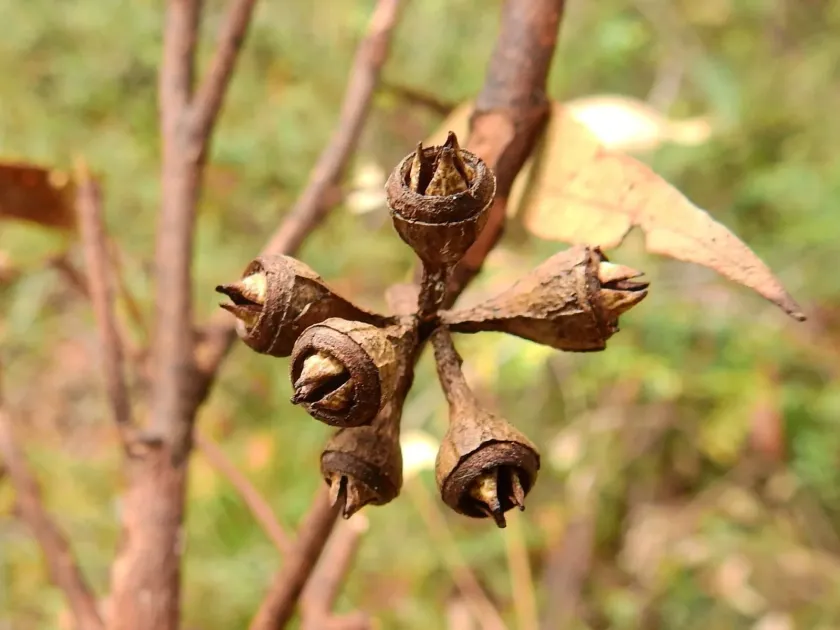
Description
Sowing dates
The propagation of Eucalyptus resinifera is primarily achieved through seeds sown in nurseries under controlled environmental conditions. The sowing process should begin in early spring to ensure that the seedlings have sufficient time to develop before being transplanted.
A well-draining, lightweight potting mix is essential for seed germination, preventing the common issue of damping-off. Seeds are typically surface-sown and covered with a very thin layer of fine sand to maintain consistent moisture without burying them too deeply.
During the early germination phase, keeping the humidity levels elevated is crucial. Once the seedlings emerge, ventilation should be increased gradually to harden them off, preparing the plants for the diverse conditions of an outdoor plantation environment.
Seedlings are ready for transplanting when they reach a height of approximately 20–30 cm and have developed a robust root system. This transition requires careful handling to avoid root disturbance, which can lead to transplant shock and stunted subsequent growth.
When establishing a plantation, seedlings should be planted in well-prepared pits with adequate spacing, typically 3x3 meters, to allow for optimal crown development and forest growth efficiency in the coming decades.
Growing requirements
Eucalyptus resinifera, commonly known as red mahogany, belongs to the Myrtaceae family and thrives in subtropical climates. It is a robust species that prefers deep, fertile, and well-draining soils for maximum development.
This tree species requires full exposure to sunlight for healthy and rapid growth. Any significant shading can lead to suppressed growth and a reduction in the wood quality, making site selection critical for successful plantation forestry.
While red mahogany shows moderate tolerance to seasonal variations, it performs best in regions with consistent rainfall. In drier areas, supplementing with drip irrigation is highly recommended to maintain its impressive growth rate and productivity.
The tree prefers slightly acidic to neutral soil pH levels. It is highly sensitive to waterlogged soils, which can induce root rot and significantly compromise the structural integrity and health of the entire stand.
Regular maintenance, including weed management during the establishment phase, is essential. Once the canopy closes, the tree typically suppresses competing undergrowth, significantly reducing the labor required for maintenance.
Yield
The primary yield from Eucalyptus resinifera is its high-quality timber, often marketed as red mahogany. The wood is renowned for its durability, hardness, and rich red-brown color, making it highly valuable for construction and furniture.
The growth rate of red mahogany is quite impressive in optimal site conditions, allowing for shorter rotation cycles compared to many other hardwood species. Industrial plantations can expect significant biomass accumulation over a 20-year period.
In addition to timber, the foliage of this species contains essential oils that are extracted for industrial, cosmetic, and medicinal use. This provides a secondary revenue stream for forestry operations, maximizing the utility of the plantation.
The species also contributes to apiculture, as its flowering season provides a rich nectar source for bees. Eucalyptus honey derived from this species is known for its distinct taste and has a stable market demand.
Effective forest management practices, such as thinning, can significantly increase the total yield of high-value sawlogs by focusing resource allocation on the most productive individual trees within the plantation.
Main diseases and pests
The most common biological threats to red mahogany include defoliating insects, such as beetles and caterpillars, which can cause significant damage to young plantations during peak growing seasons.
Fungal diseases like leaf spot and root rot are prevalent in areas with high humidity or poor soil drainage. Implementing proper spacing and thinning strategies helps to improve air circulation and reduces the risk of infection.
Scale insects and aphids can become a nuisance, particularly in stressed trees. Integrated pest management, incorporating biological controls and cautious use of pesticides, helps in maintaining healthy tree stands.
Frost can be a major environmental threat to young Eucalyptus resinifera saplings, especially in areas outside its natural range. Providing protective measures during the first winter is often necessary for survival.
Maintaining high forest hygiene, including the removal of dead or dying limbs, is a preventative measure against the buildup of pathogens. Regularly monitoring for early signs of stress ensures that intervention can occur promptly.