
Mountain Gum
Eucalyptus dalrympleana Maiden
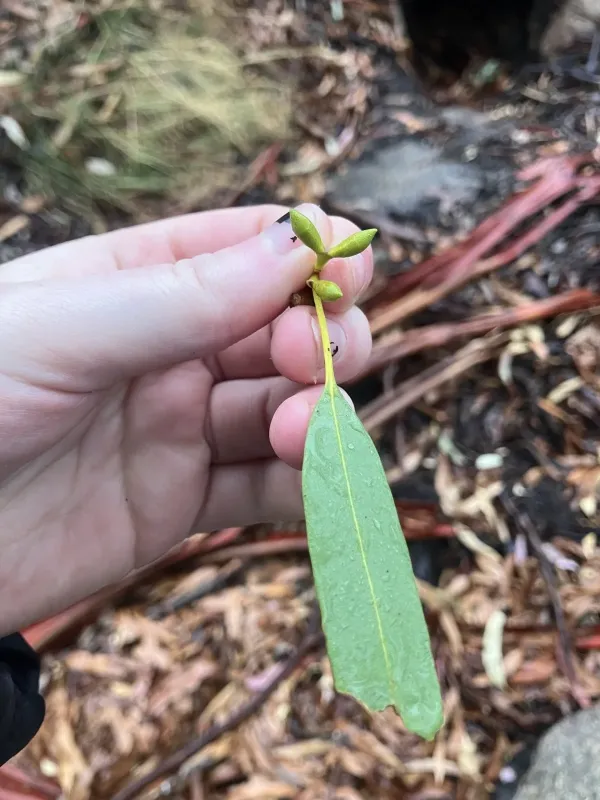
Description
Growing requirements
Eucalyptus dalrympleana, commonly known as Mountain Gum, is a tall, fast-growing evergreen tree belonging to the Myrtaceae family. Native to the high-altitude forests of southeastern Australia and Tasmania, this species is highly valued for its relative frost tolerance and high-quality timber.
Botanically, it is characterized by its smooth, white or pinkish bark that sheds in long ribbons, and its lance-shaped, aromatic leaves. In optimal conditions, it can reach impressive heights, developing a straight and sturdy trunk that is ideal for forestry management.
The species thrives in cool, temperate climates and requires deep, well-drained loamy soils to reach its full growth potential. While it can withstand moderate frost, it requires sufficient moisture during its initial establishment phase to develop a robust root system.
Agronomic management involves site preparation through deep plowing and the application of fertilizers to support juvenile growth. Weed control remains the most critical aspect of the first three years of cultivation to ensure the saplings receive adequate sunlight and soil nutrients.
Commercially, the Mountain Gum is utilized for its versatile timber, which is light-colored and durable, suitable for high-end furniture, construction beams, and wood pulp production. Its aesthetic appeal also makes it a popular choice for large-scale reforestation and urban forestry projects.
Main diseases and pests
Like many species in the genus, Eucalyptus dalrympleana is susceptible to various fungal pathogens, such as leaf spot and damping-off, especially in poorly drained soils. Maintaining proper site drainage is the primary defense strategy against these common soil-borne threats.
Insect pests, particularly leaf-eating beetles and psyllids, pose a constant threat to young plantations. Integrated pest management (IPM) practices, involving regular field monitoring and the use of biological controls, are essential to preserve the health of the trees and ensure economic productivity.