
Mexican fig
Ficus mexicana
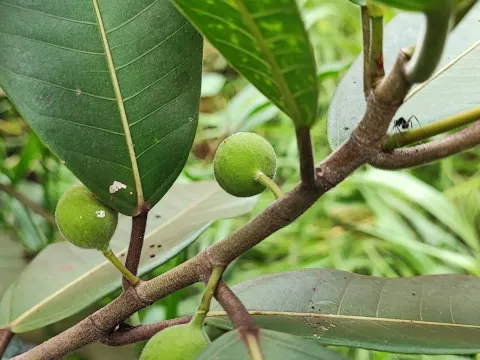
The Mexican fig (Ficus mexicana) is a resilient evergreen species belonging to the Moraceae family, native to the tropical forests of Mexico and Central America. It is characterized by its glossy, lance-shaped leaves and strong woody structure, making it a popular choice for both indoor ornamental displays and tropical landscaping.
What the section contains
Mexican fig
In terms of climatic requirements, Ficus mexicana thrives in environments with temperatures between 20°C and 28°C. It requires a stable climate free from cold drafts or sudden thermal shocks. Adequate lighting is essential for healthy growth, with bright, indirect sunlight being the preferred condition to prevent leaf burn and maintain foliage density.
Regarding soil, the plant demands a well-draining, nutrient-rich substrate. A mixture of loam, compost, and coarse sand or perlite works effectively to prevent compaction and ensure that the root system has sufficient oxygen. A drainage layer at the base of the container is mandatory to prevent waterlogging, which is a major cause of plant failure.
Agrotechnical practices involve consistent but moderate irrigation. The soil should be allowed to dry slightly between waterings to prevent root rot. Furthermore, regular misting or the use of humidifiers is recommended, especially in dry indoor climates. During the spring and summer growing seasons, balanced fertilizers should be applied to support biomass development.
Economically, the Mexican fig is primarily used as an ornamental species, highly valued for its ability to improve air quality and enhance aesthetic appeal in interior and exterior landscapes. In its native habitat, it also plays a significant role in ecosystem stability, providing food and shelter for various tropical bird and insect species.
The Mexican fig is susceptible to common pests such as spider mites, scale insects, and mealybugs, especially when kept in low-humidity environments. Regular inspection and cleaning of the leaf undersides are crucial strategies for managing and preventing large-scale infestations.
Fungal issues, including leaf spot diseases and root rot, are frequent threats linked to improper watering habits and poor ventilation. Keeping the plant in a space with consistent air movement and ensuring the soil is not overly saturated are the primary methods for disease mitigation.